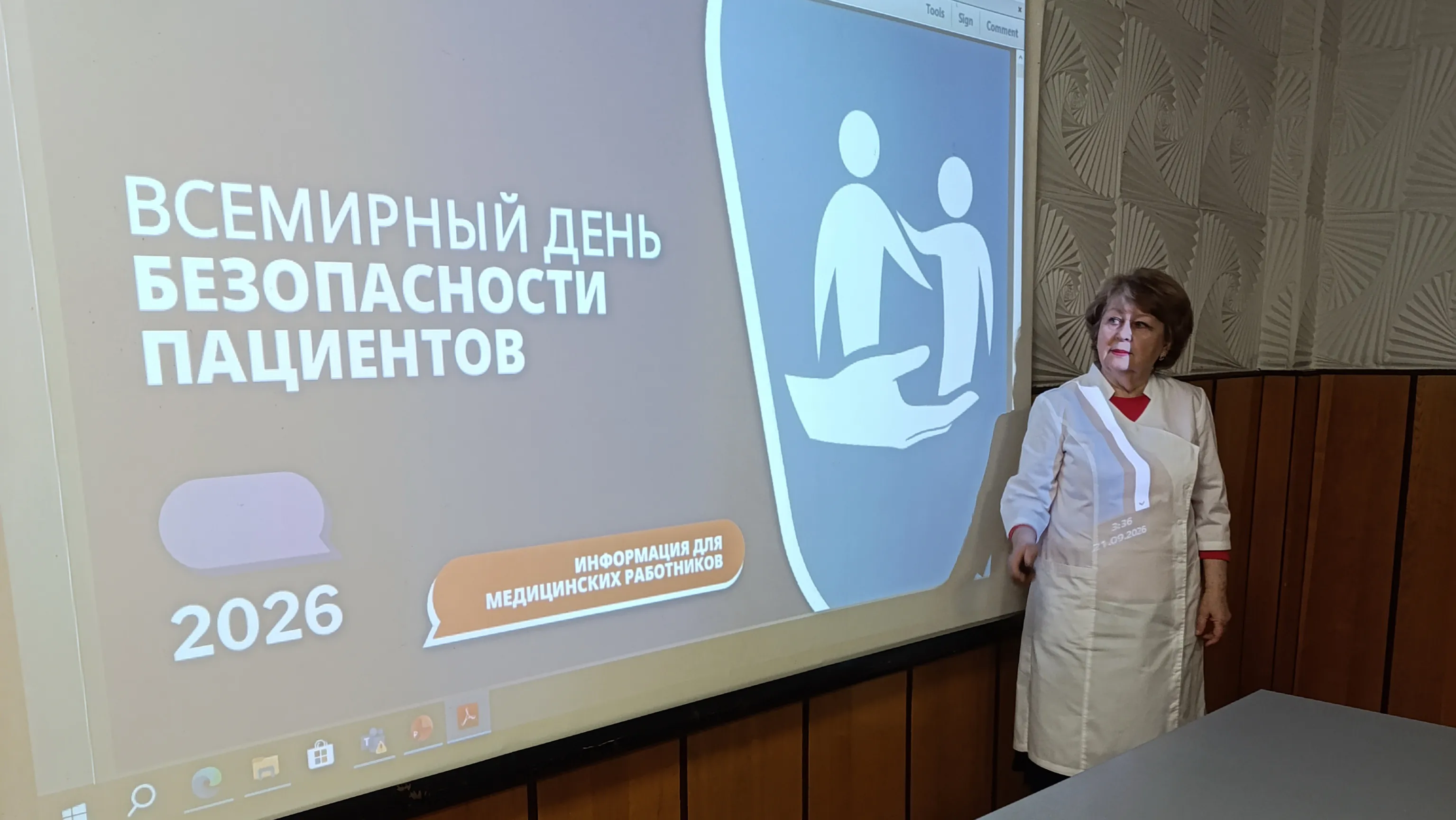
World Patient Safety Day 2026: Medical Residents Discuss Safer Healthcare
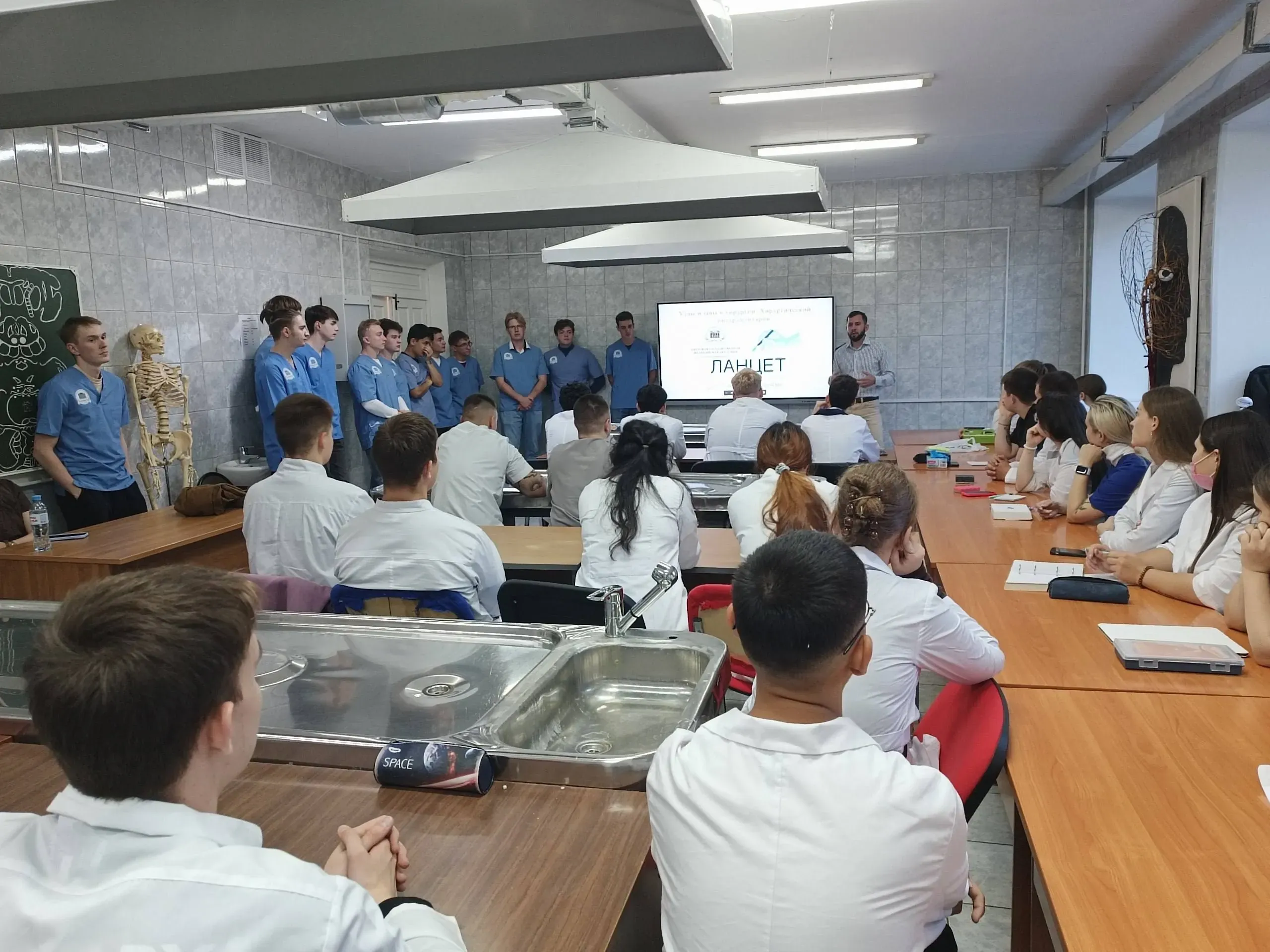
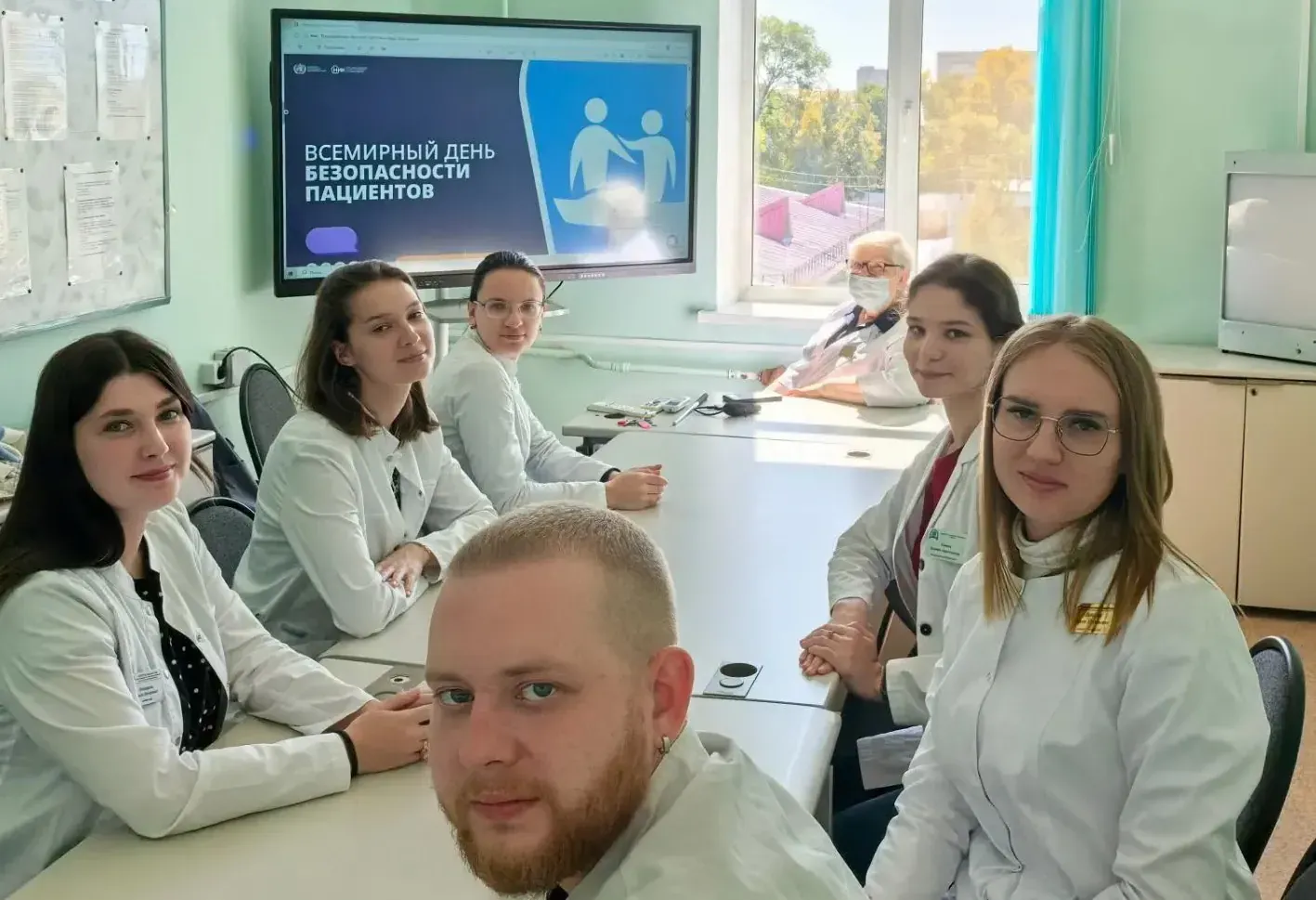
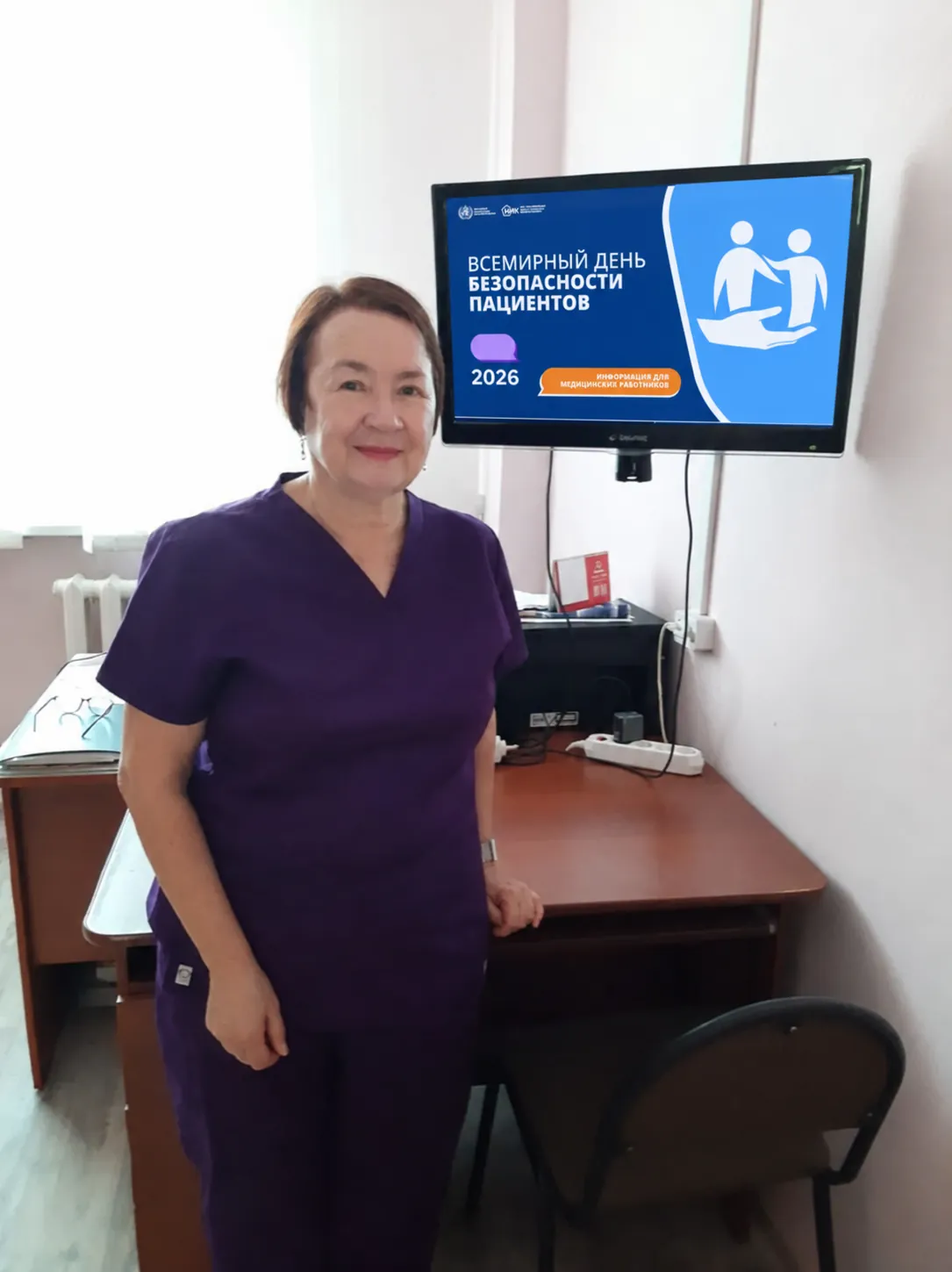
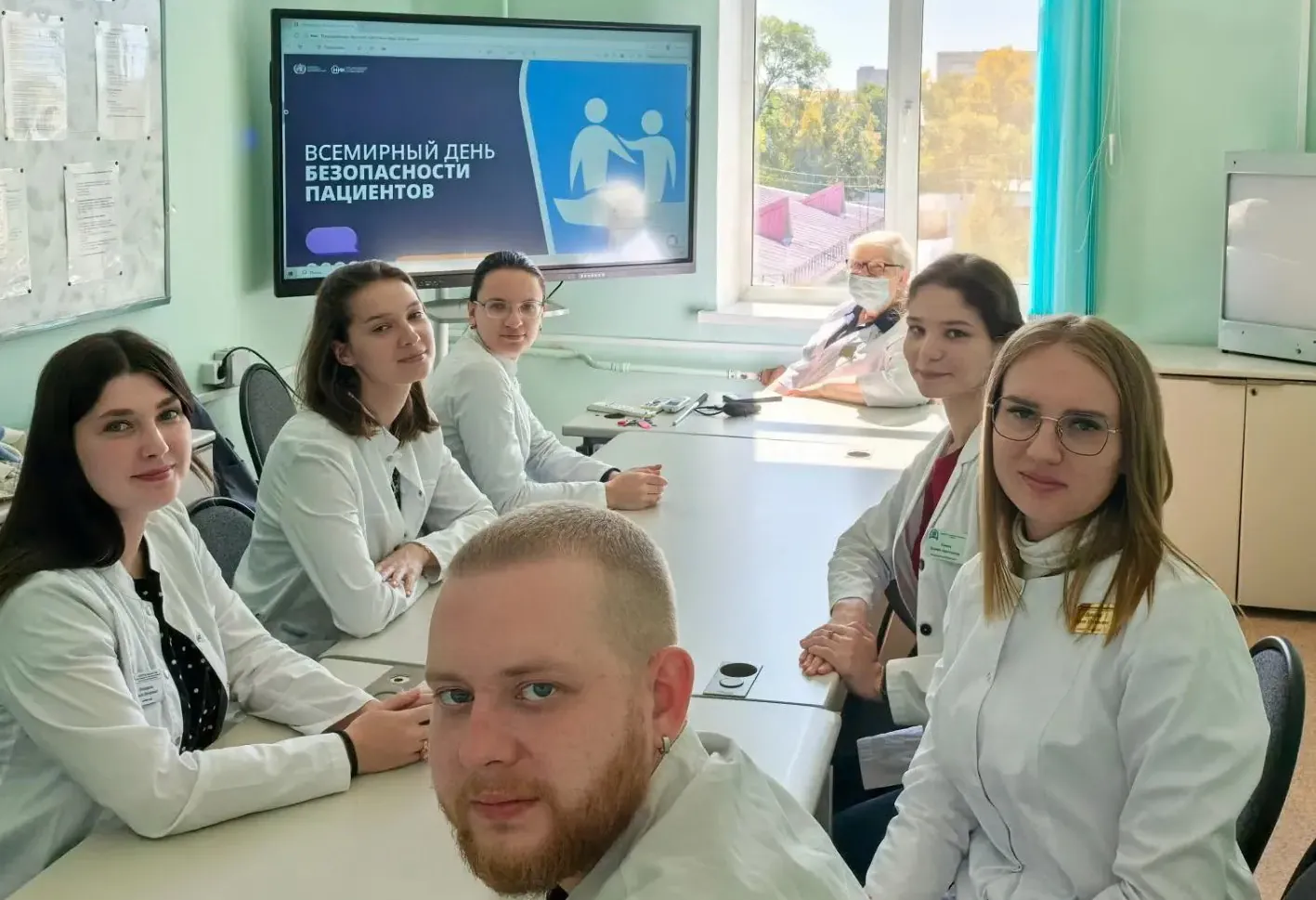
At the Departments of Postgraduate Education, a conversation was held with residents of the Departments of Obstetrics and Gynecology of the Faculty of Postgraduate Education (head: Acting Rector, Head of the Department Zhukovets Irina Valentinovna), Pediatrics of the Faculty of Postgraduate Education (Dean of the Faculty of Postgraduate Education, Medvedeva Svetlana Viktorovna, Assistant Babenko Anna Alexandrovna), Internal Diseases of the Faculty of Postgraduate Education (Head of the Department Tretyakova Natalia Alexandrovna, Assistant Oleksik Sofia Sergeevna) and Surgery of the Faculty of Postgraduate Education (Head of the Department Olga Stepanovna Oliferova).
What was discussed:
– effective interaction between the doctor and the patient – partnership, trusting two-way communication, information in an understandable language. We analyzed the models of interaction: passive, cooperation and mutual participation, as well as the NURSE technique and "8 checks of safe contact";
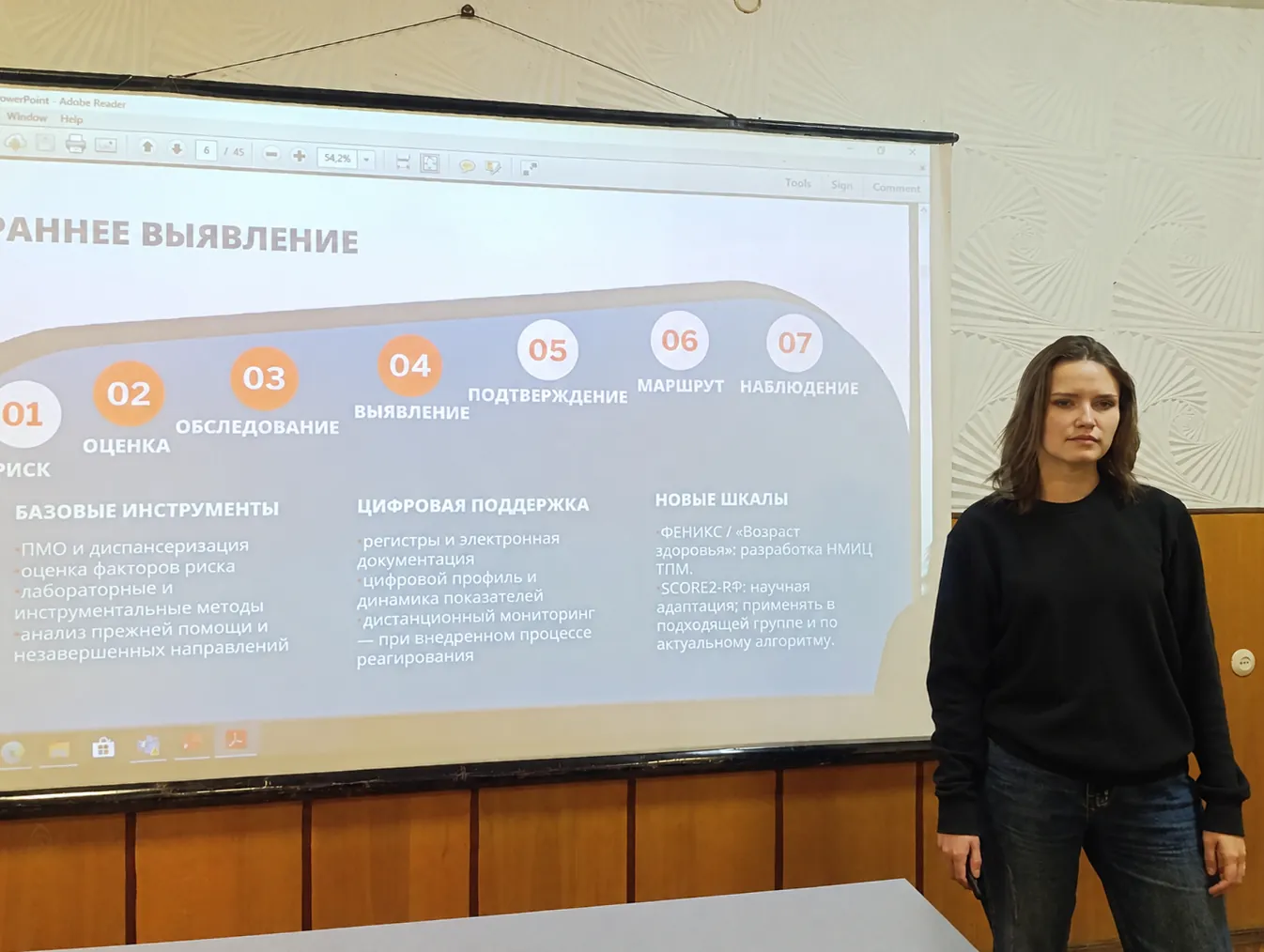
– early detection and prevention of NCDs – medical examination and preventive medical examination, risk factors, new scales "PHOENIX", "Age of Health", SCORE2-RF, current orders and clinical recommendations;
– dispensary observation as a risk management tool – comorbid patient, polypharmacy, duplication of appointments, dropping out of observation, prioritization and routing of patients;
– diagnostic safety – why the error occurs not only at the time of diagnosis; how to close the diagnostic cycle: hypothesis, justification, result, interpretation, next step;
– drug safety – stages "prescription – receipt – use – control – correction", electronic prescriptions, DSS, barcode systems, pharmacovigilance;
– continuity and transfer of information – SBAR, risks in transfers, transfer of duty and change of stages of assistance, culture of open reporting of undesirable events;
— digital tools and AI — the principle of "AI prompts — the doctor makes a decision"; verification of applicability, accuracy and compliance with the clinical picture;
– practical recommendations of Roszdravnadzor, internal quality control, SOPs, patient identification.
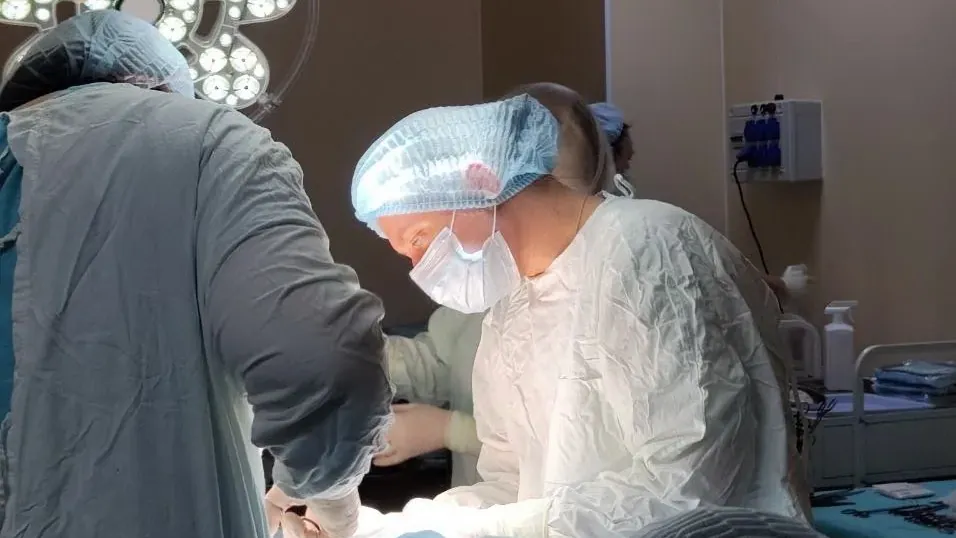
The Department of Obstetrics and Gynecology of the Faculty of Postgraduate Education highlighted the topic of women's reproductive health, one of the most relevant and discussed topics in healthcare.
Patient safety is not a separate stage, but a way to organize each contact: reception, appointment, study, transfer, observation. This reduces the risk of diagnostic and treatment errors, prevents complications, and increases treatment adherence and patient confidence. It is especially significant for patients with NCDs who are followed for life.
Teachers of the department regularly cover this topic in classes with residents: they analyze clinical cases, algorithms, errors and ways to prevent them. And they themselves apply these principles in training — they teach them to identify the patient, use checklists and SBARs, check prescriptions, explain the plan to the patient, fix the timing of the control and create an atmosphere of open analysis without looking for the culprit.
   |   |