Amur Medical Academy Students Honor the Memory of Military Doctors
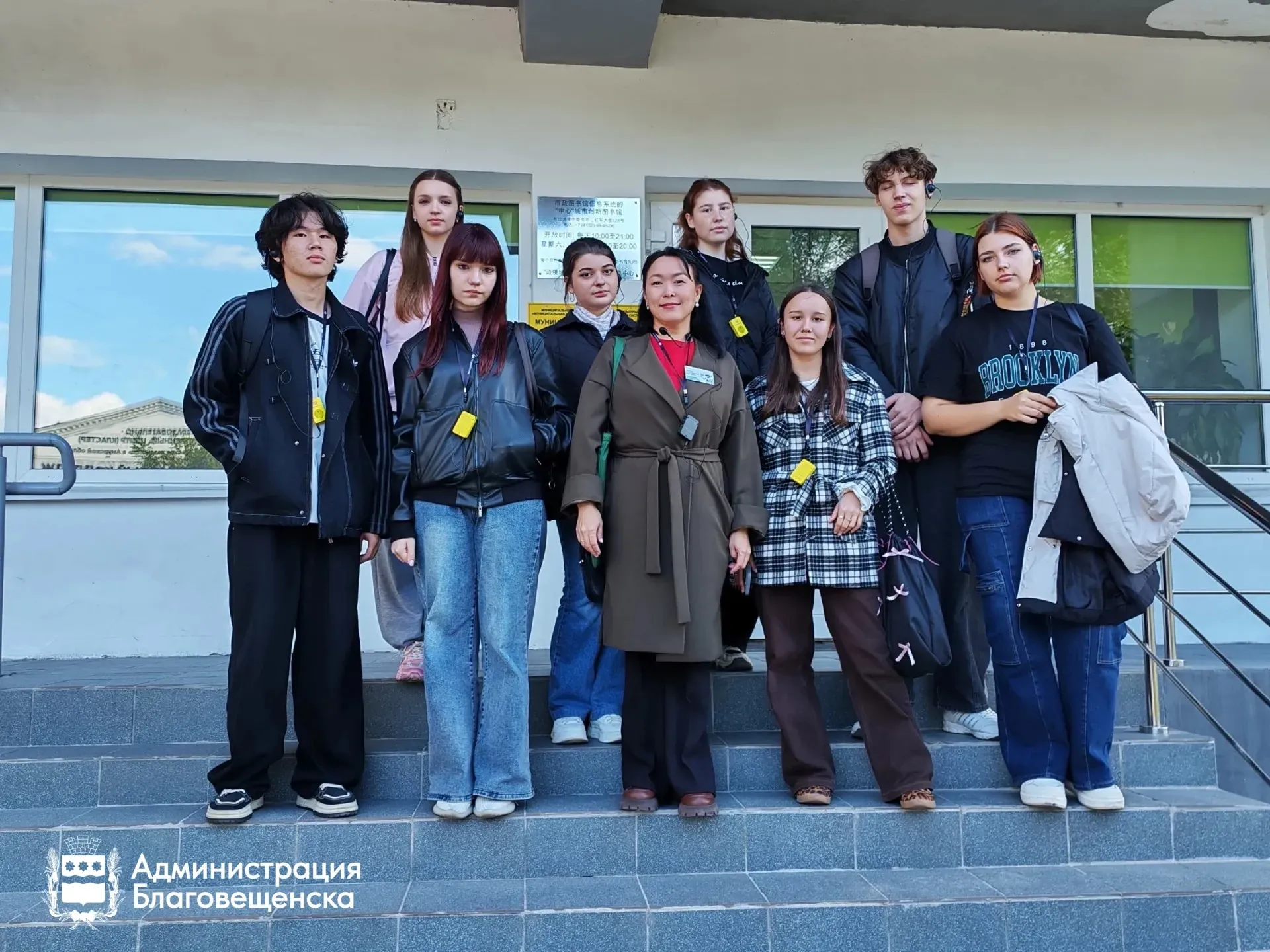
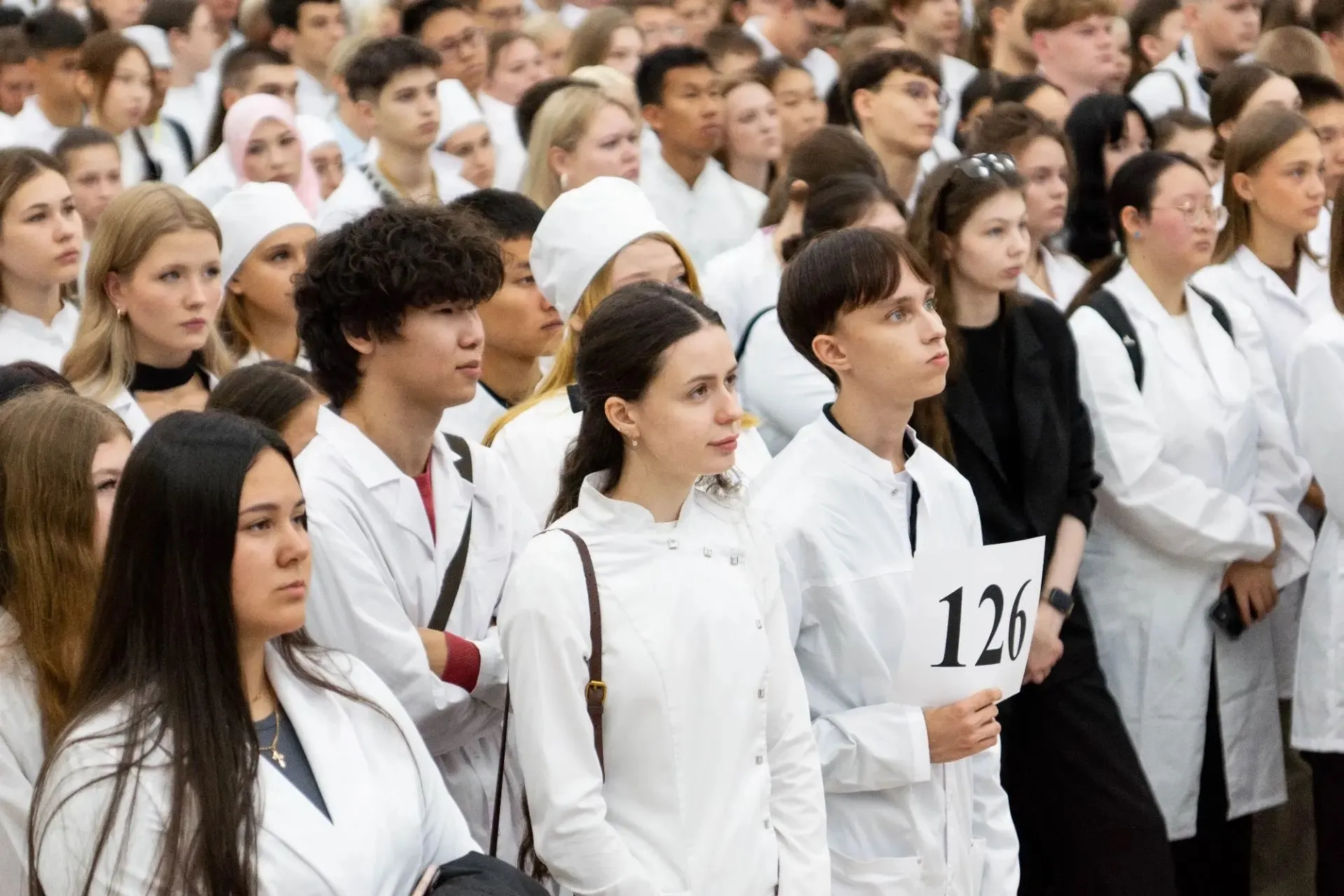
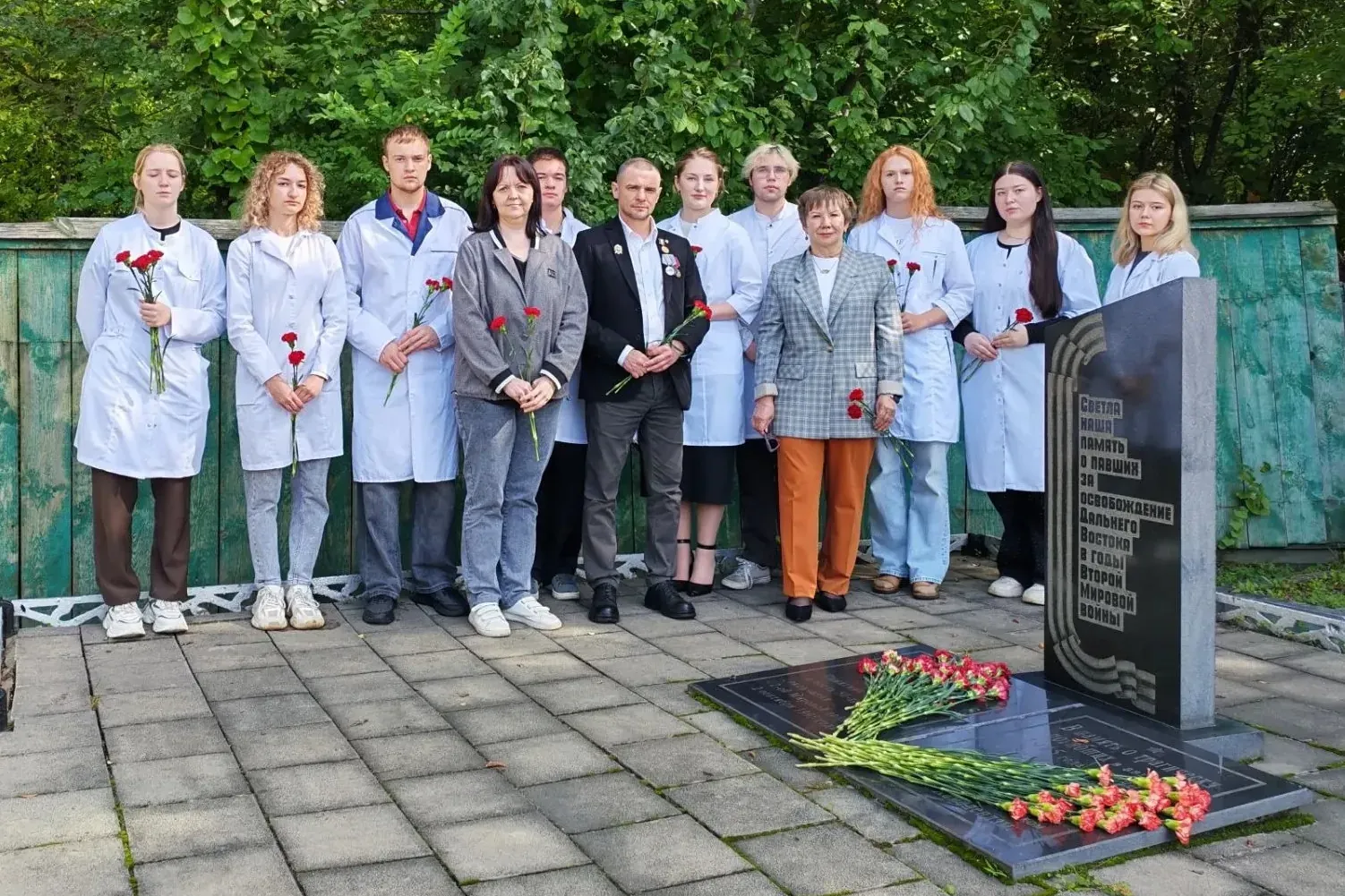
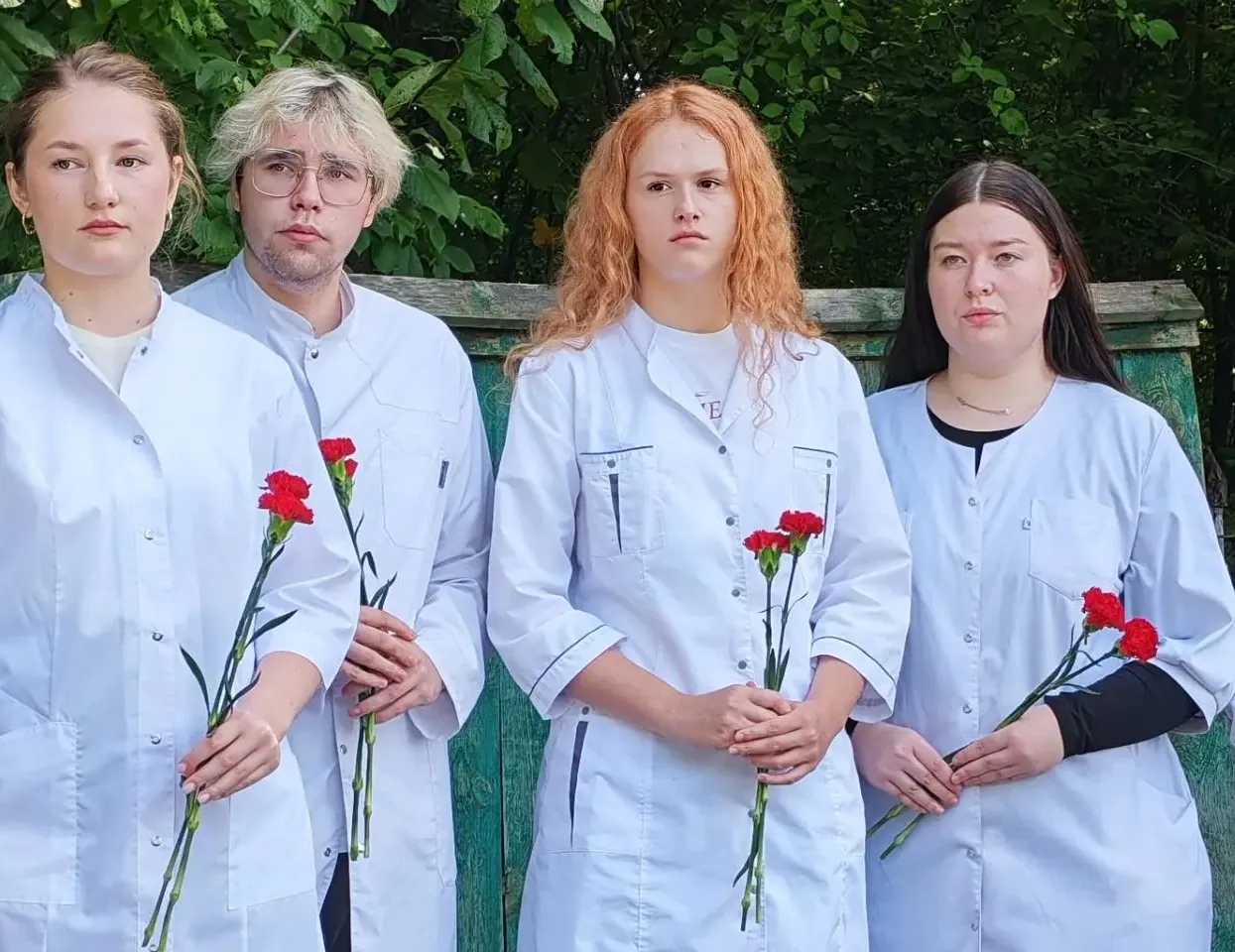
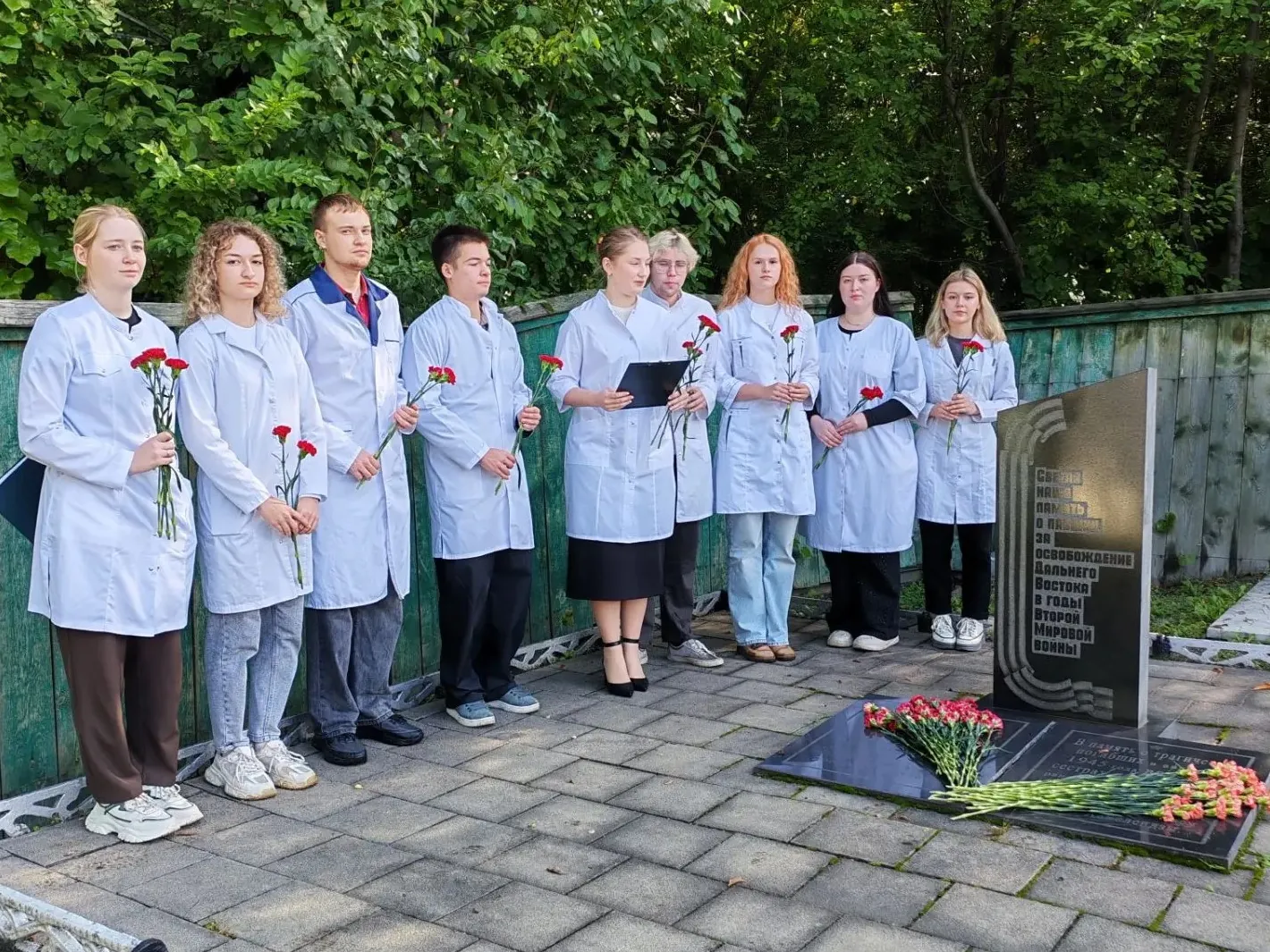
In honor of the end of World War II, second-year students of the Amur State Medical Academy, together with teachers, made a touching and significant pilgrimage to the monument located at the site of the tragic events of August 1945 in the old cemetery of the city of Blagoveshchensk.
This visit was not just an excursion, but a lesson in courage and a reminder of the terrible price that doctors pay in war. The tradition of visiting this mass grave originated many years ago and since then this baton of memory has been passed down from generation to generation, starting with first-year students.
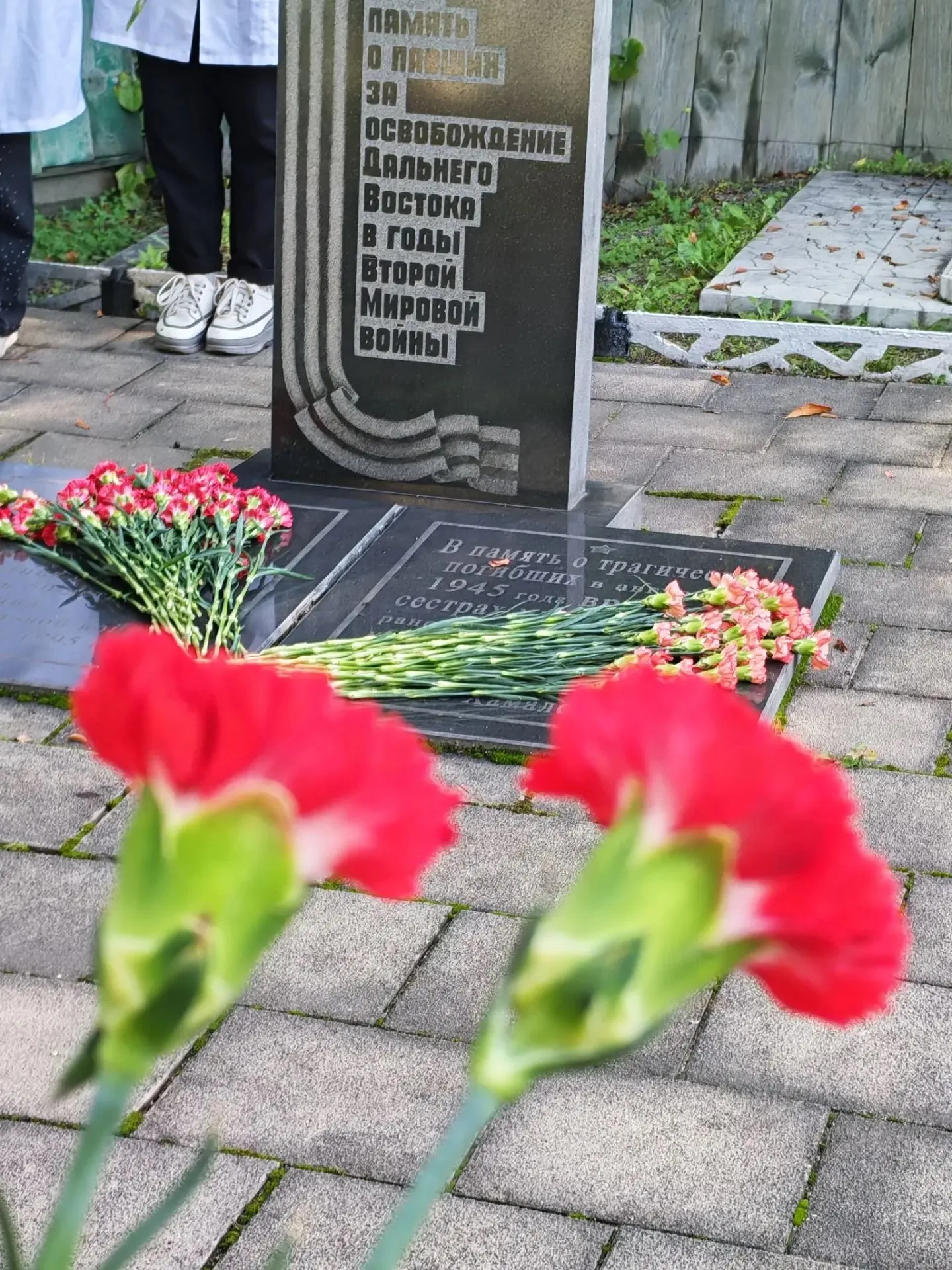
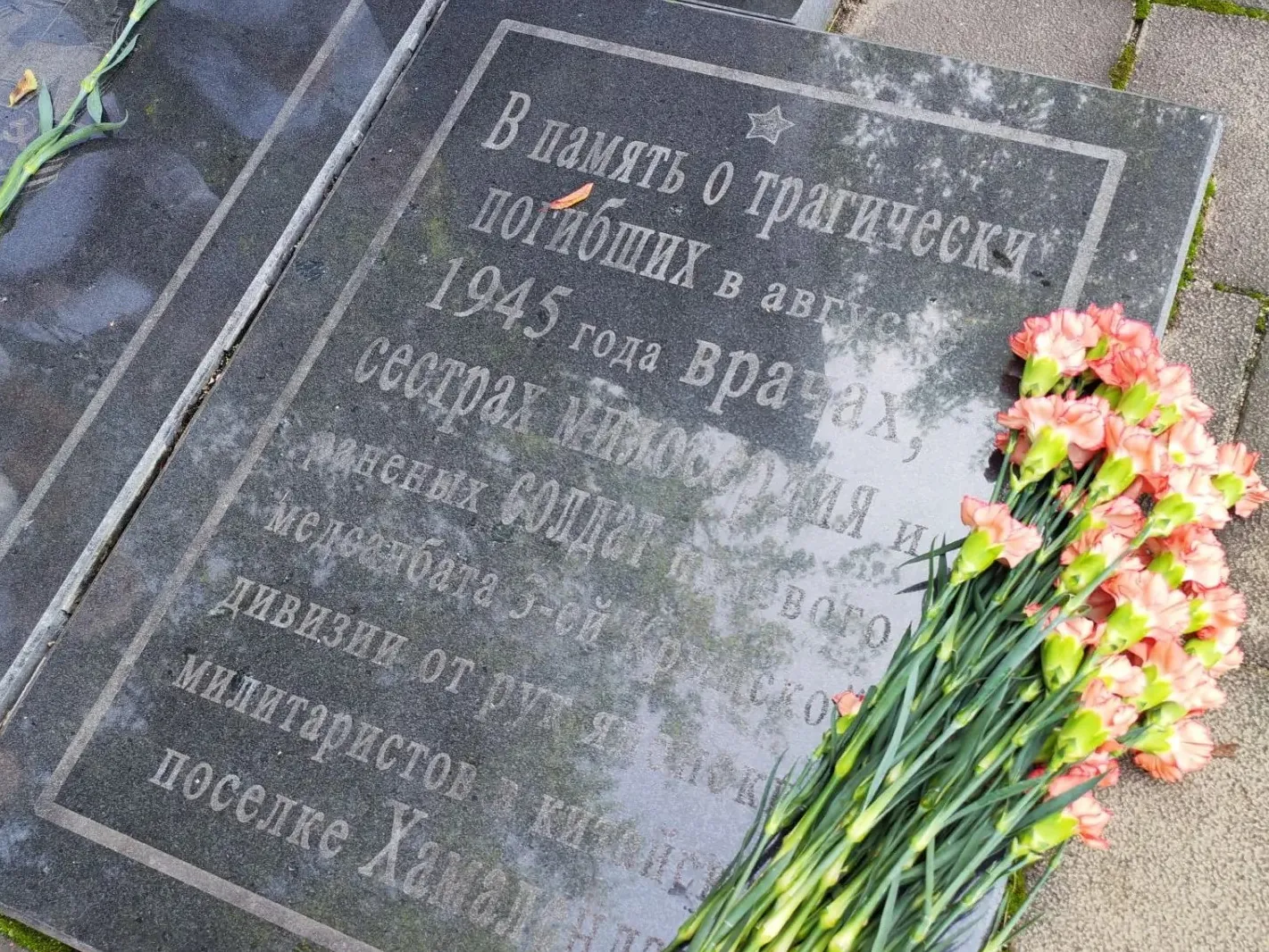
The monument, unveiled 31 years ago, on September 2, 1995, keeps mournful lines on a granite slab: “In memory of the doctors, nurses and wounded soldiers of the field medical battalion of the 3rd Crimean Division who died tragically in August 1945 at the hands of Japanese militarists in the Chinese village of Hamalendza.”
These words sounded especially piercing for future doctors. The event was initiated by the Dean of the Faculty of Pediatrics Valentina Ivanovna Pavlenok, Deputy Dean of the second year Olga Gennadievna Androsova, Deputy Dean of the fifth year Alexander Alexandrovich Agarkov.
Students of groups 203, 213, 214, 220 and 221 listened with special attention and excitement to the story of Valentina Ivanovna about the tragic fate of her colleagues in those distant war years: “The decision to enter the war against Japan was made at the Yalta and Potsdam conferences of 1945 as part of allied obligations. The USSR undertook to enter the war against Japan 2-3 months after the surrender of Germany. On August 9, at about one o'clock in the morning Khabarovsk time, the advanced and reconnaissance detachments of the Transbaikal, 1st and 2nd Far Eastern Fronts crossed the state border and entered the territory of Manchuria. As part of the 3rd Crimean Division, the 97th Field Medical Battalion crossed the Chinese border from Blagoveshchensk, the formation of which took place in the city of Svobodny. Combat units moved to the city of Qiqihar, and the medical battalion was stationed in the Chinese village of Hamalandzi. Despite the remoteness from the front line, the medical battalion was subjected to a night attack by Japanese saboteurs. Doctors who saved lives were themselves victims of a surprise attack. The dead were buried in a mass grave in the village. After the end of the war, the bodies of the dead were taken out and buried in a mass grave.”
A special emotional response was caused by the speech of Alexander Alexandrovich Agarkov. He described in detail the hardest everyday life of a military field medic, when the number of saved was in the thousands. "The work of a military medic is a feat every second, a choice between your life and the life of a wounded soldier," he said, urging students to remember the dedication of their predecessors.
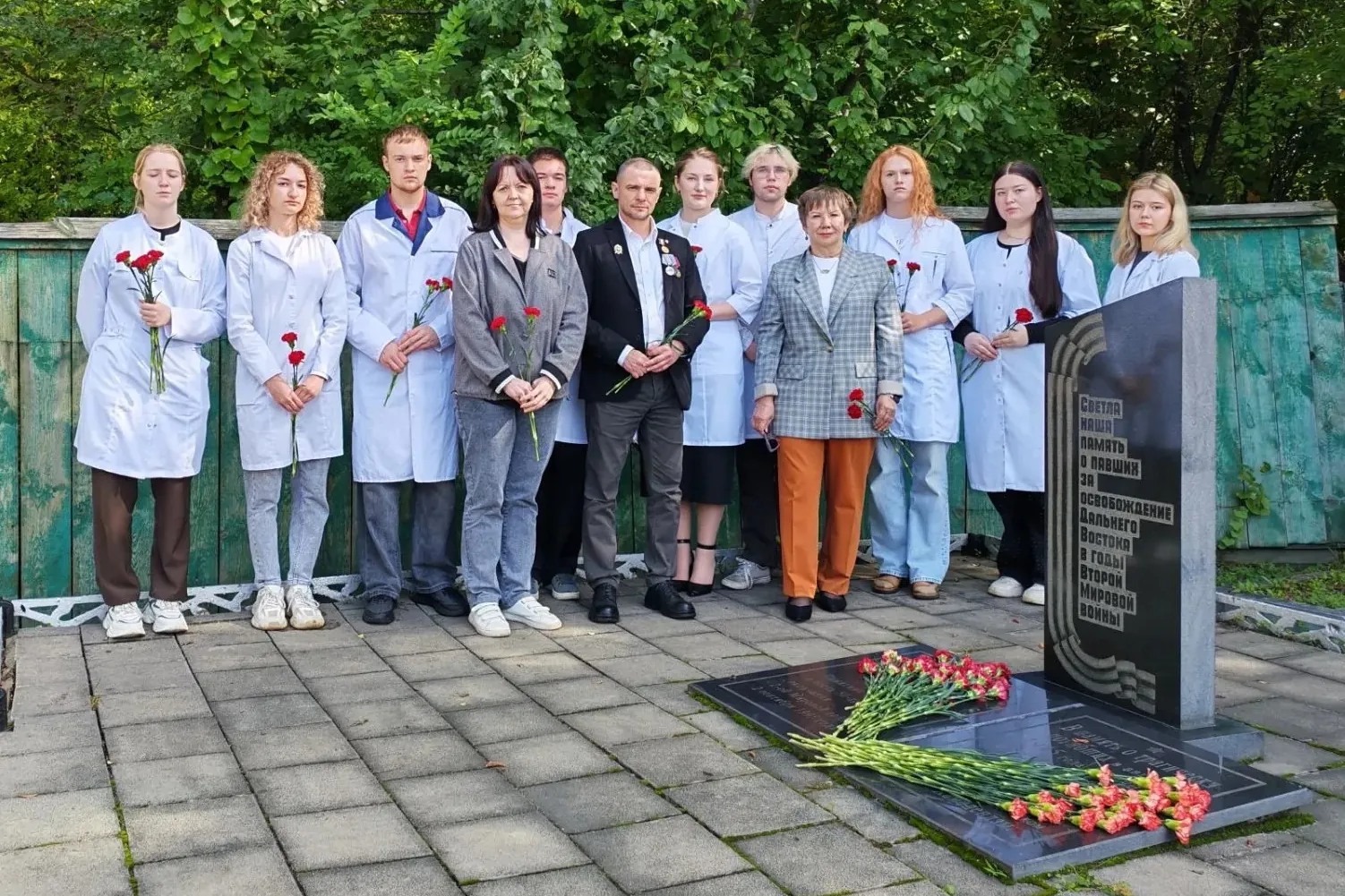
Then a student of group 221 recited a poem about the bravery and bravery of doctors who participated in hostilities "Military Doctor". A minute of silence was announced in memory of the victims. The commemorative event ended with the ceremony of laying live carnations at the foot of the monument - as a symbol of gratitude for the peaceful sky and devotion to medical duty, which was shown by the doctors of the 3rd Crimean Division.
   |   |