Amur State Medical Academy Students Visit Local Heritage Exhibition in Blagoveshchensk
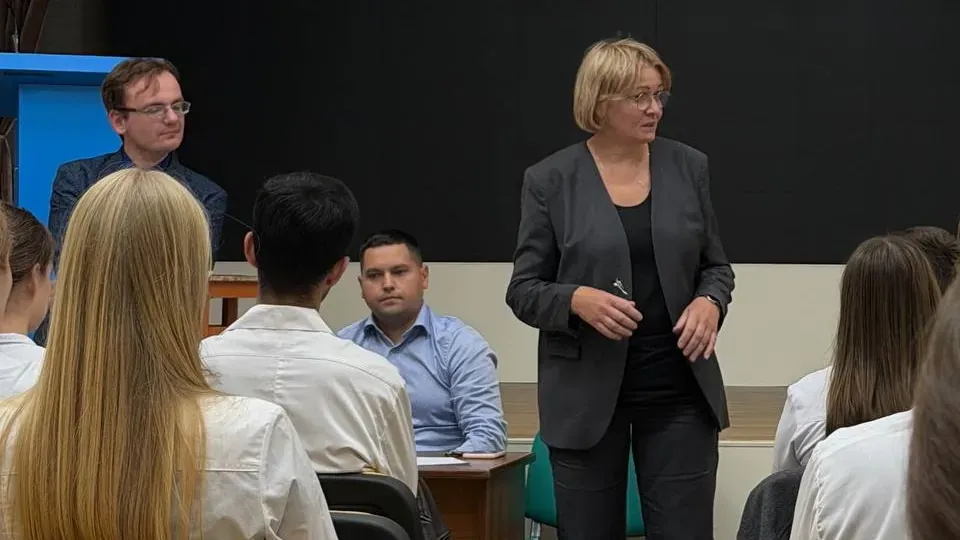
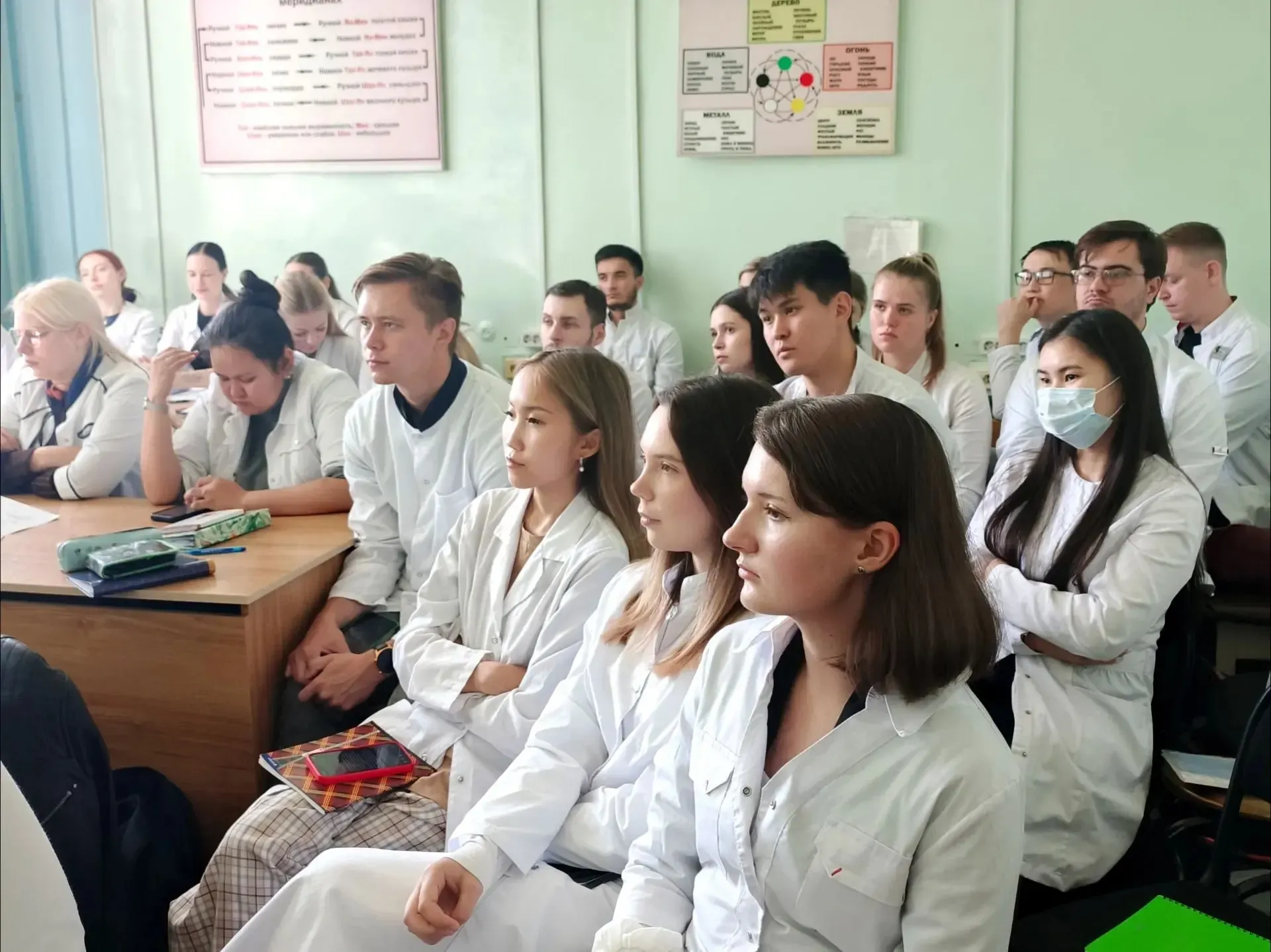
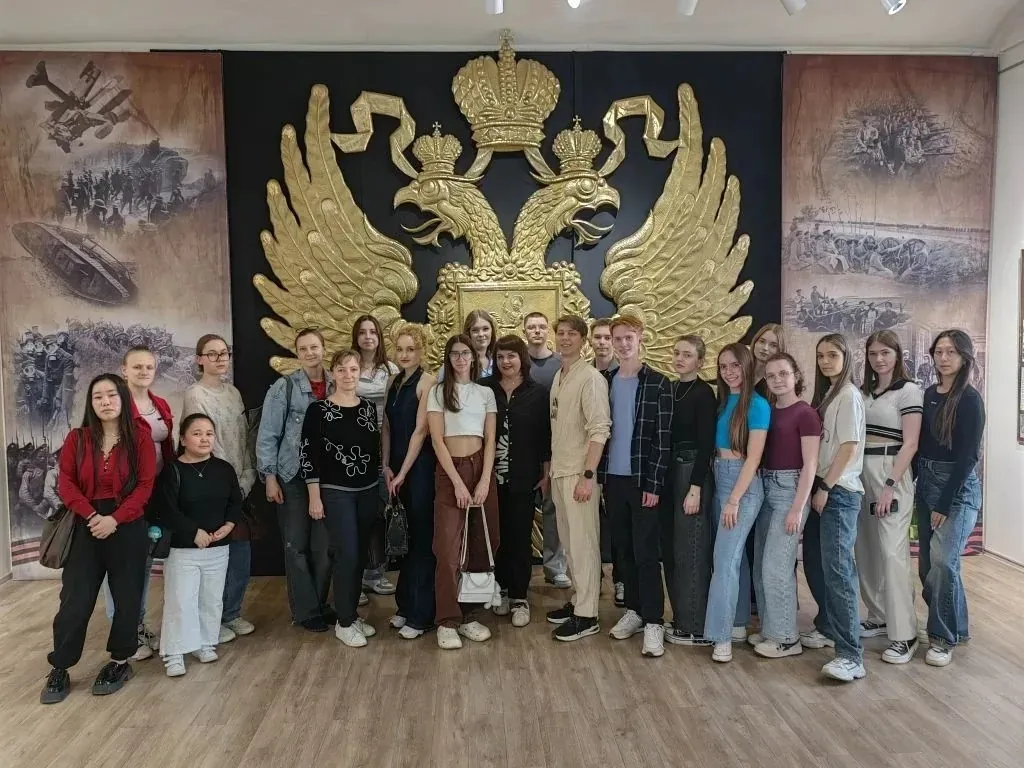
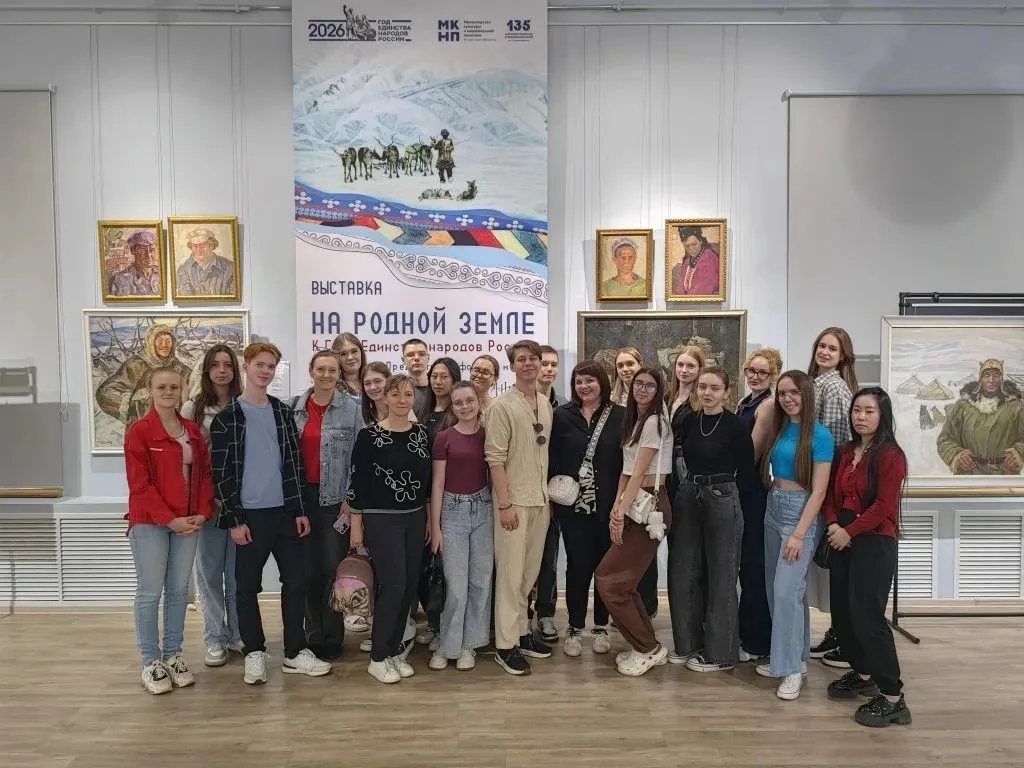
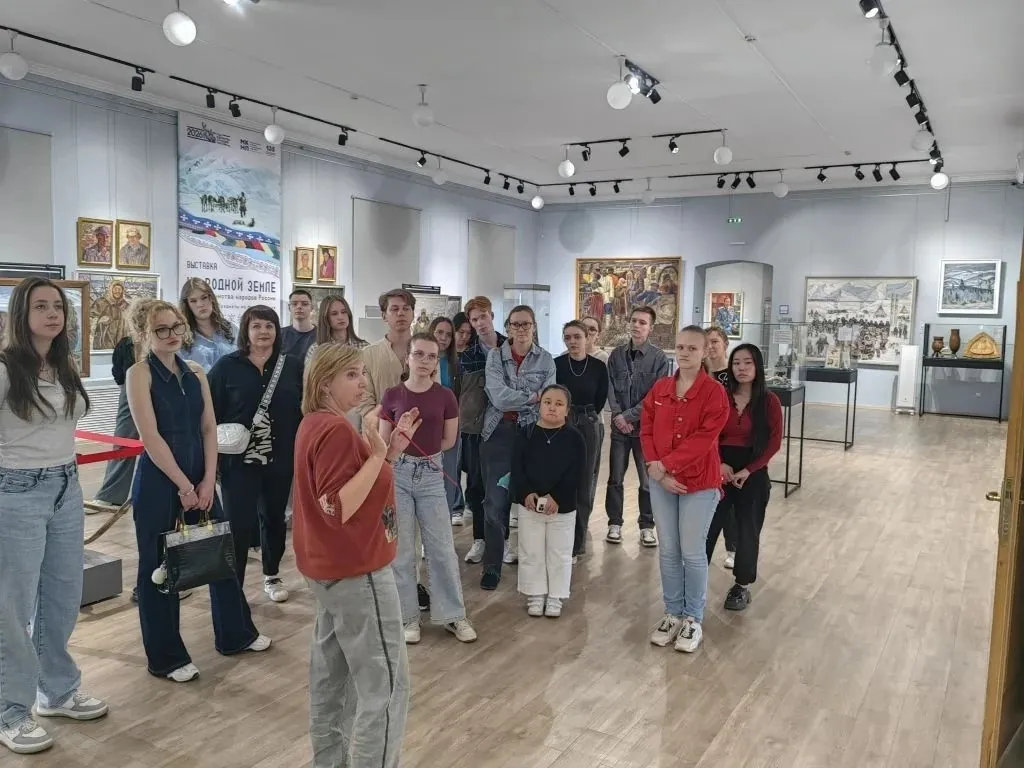
As part of patriotic education and events for the Day of Russia and the 170th anniversary of the city of Blagoveshchensk, and within the framework of the Year of Unity of the Peoples of Russia, teachers of the Department of Traumatology with a course of disaster medicine and second-year students of the Amur State Medical Academy visited the exhibition dedicated to their small homeland, "On the Native Land" in the Amur Regional Museum of Local Lore.
"During the tour, students got acquainted with the unique ethnic groups that originally inhabit the Amur River basin, the Khabarovsk Territory, Primorye and the Amur Region. We learned that most of them belong to the Tungus-Manchurian language family. The main peoples are the Nanai, Ulchi, Udege, Nivkhs, Evenks, Negidals, Orochi and Evens, and their traditional occupations are fishing, hunting and gathering," said Irina Anatolyevna Kreshchenok, senior lecturer of the department.
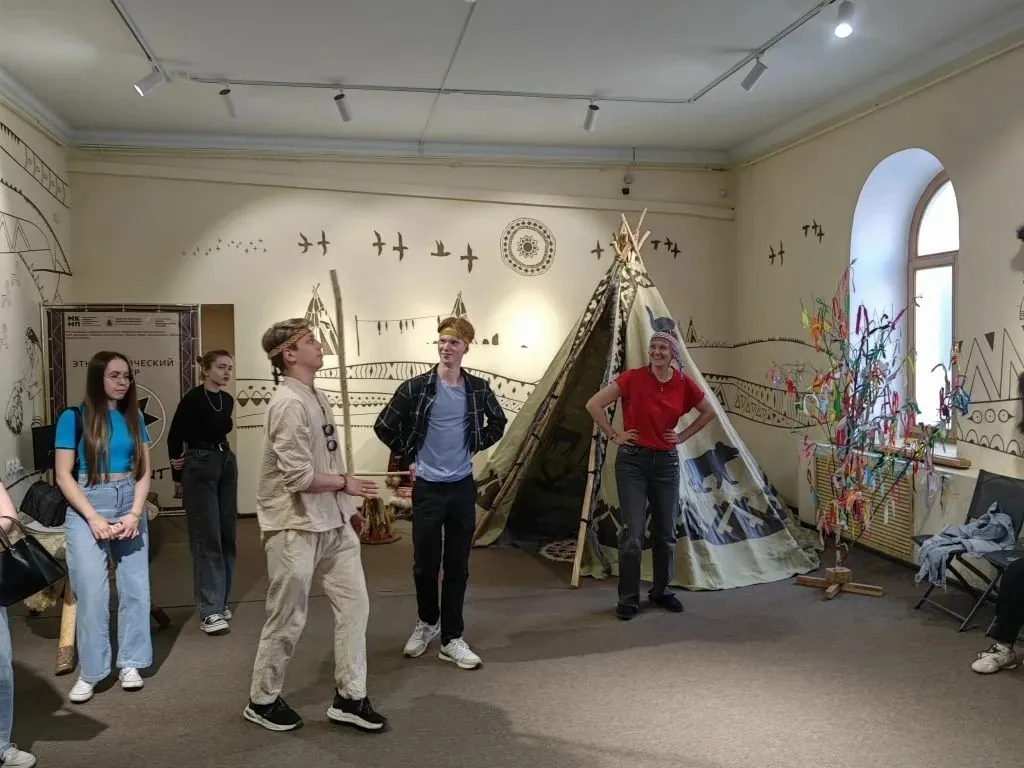
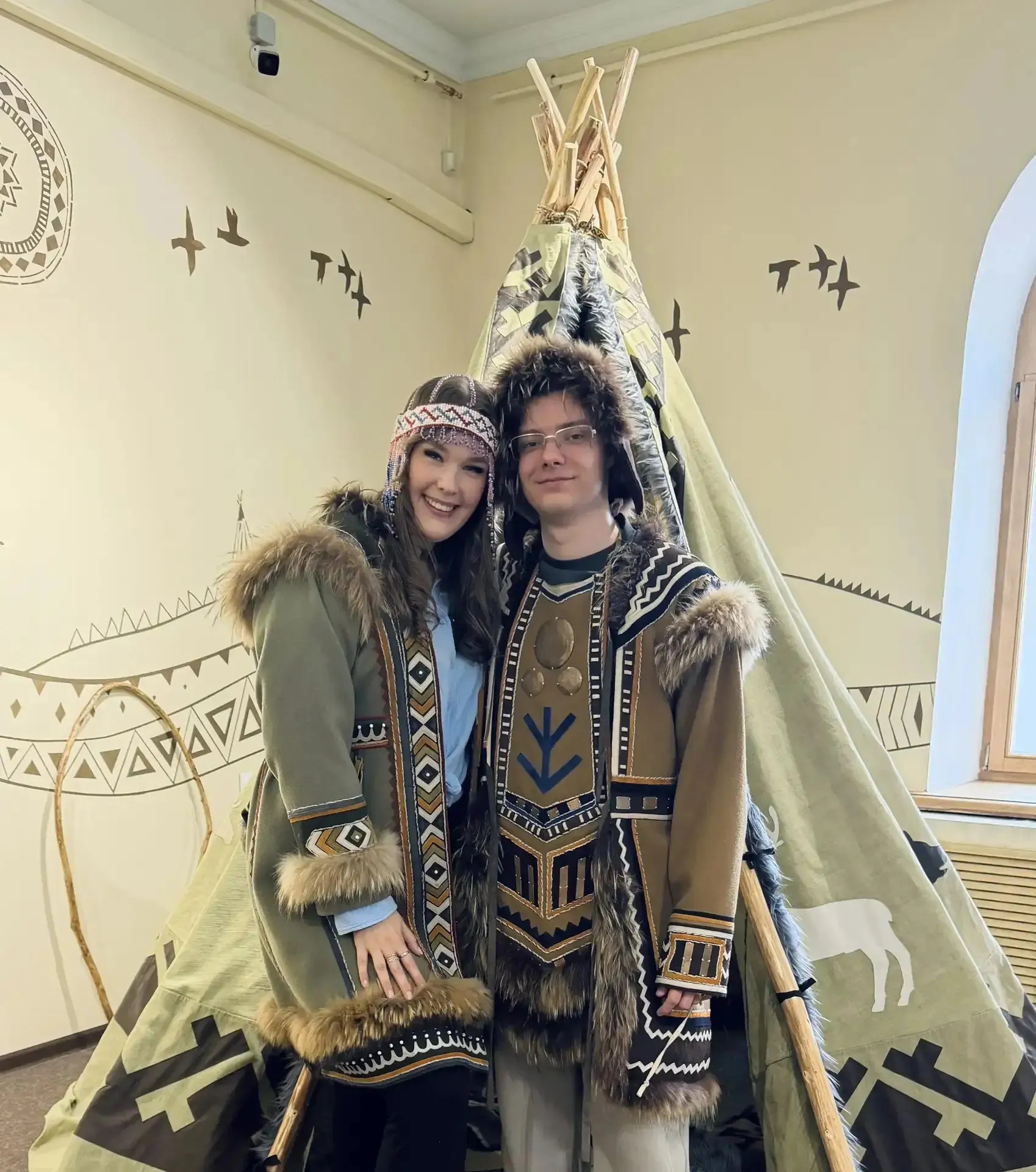
Students and teachers visited a thematic interactive hall, where the children were able to try on the attributes of a folk costume, elements, each of which has not only a practical, but also a symbolic function.
"We were told that unmarried girls wore ribbons and crowns, leaving the braid open. Married women were sure to completely hide their hair under a povoynik, kiku or kokoshnik," second-year students Tarabanko Lisa and Sidorenko Maria shared their impressions.
Dmitry Lozhkin and Nikita Gotovchenko tried to demonstrate how the heroic competitions of grooms for the bride were held, demonstrating strength and dexterity.
The students were shown the costume of an eighth-generation shaman and told about the role of shamans in ancient times. The word "shaman" is of Evenk origin and means a knowledgeable person. Each costume is a kind of encyclopedia, it encrypts ideas about the world order, practical information about folk medicine.
The guide told the students that shamans are a kind of doctors. The Evenk shaman really acted as an ancient doctor, combining the functions of a psychotherapist, herbalist and healer of souls. In his arsenal was a deep knowledge of medicinal herbs and psycho-emotional practices, which today scientists correlate with hypnosis and body-oriented therapy.
"Understanding how multinational and rich the native country is, the native region, expands the idea of young people about their homeland. Patriotism is becoming more conscious and deeper, in addition, such exhibitions save disappearing languages, crafts and myths from oblivion, making history tangible and interesting for new generations," says Victoria Viktorovna Zaritskaya, associate professor of the department.
  |   |
 | |