Amur State Medical Academy Students Discuss Far Eastern Regions and Russia’s Demographic Challenges
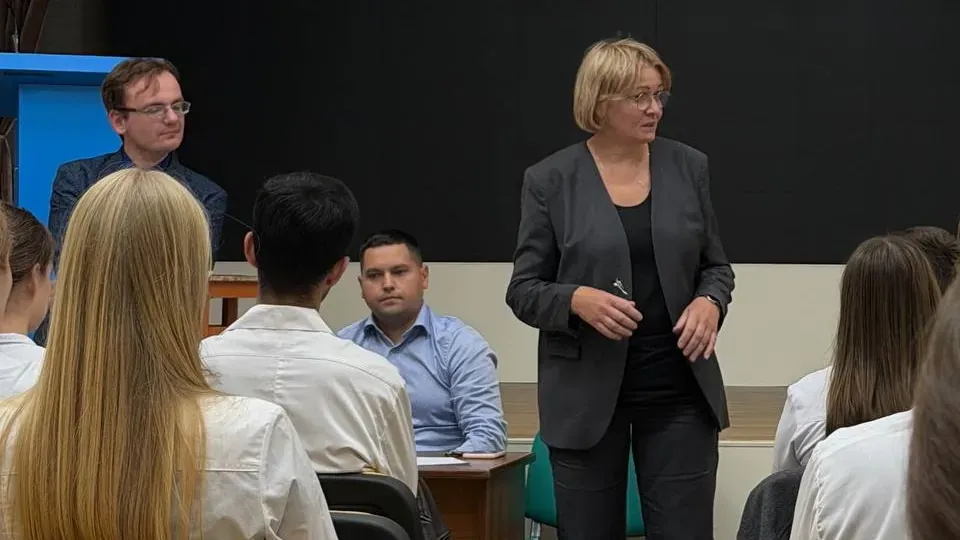
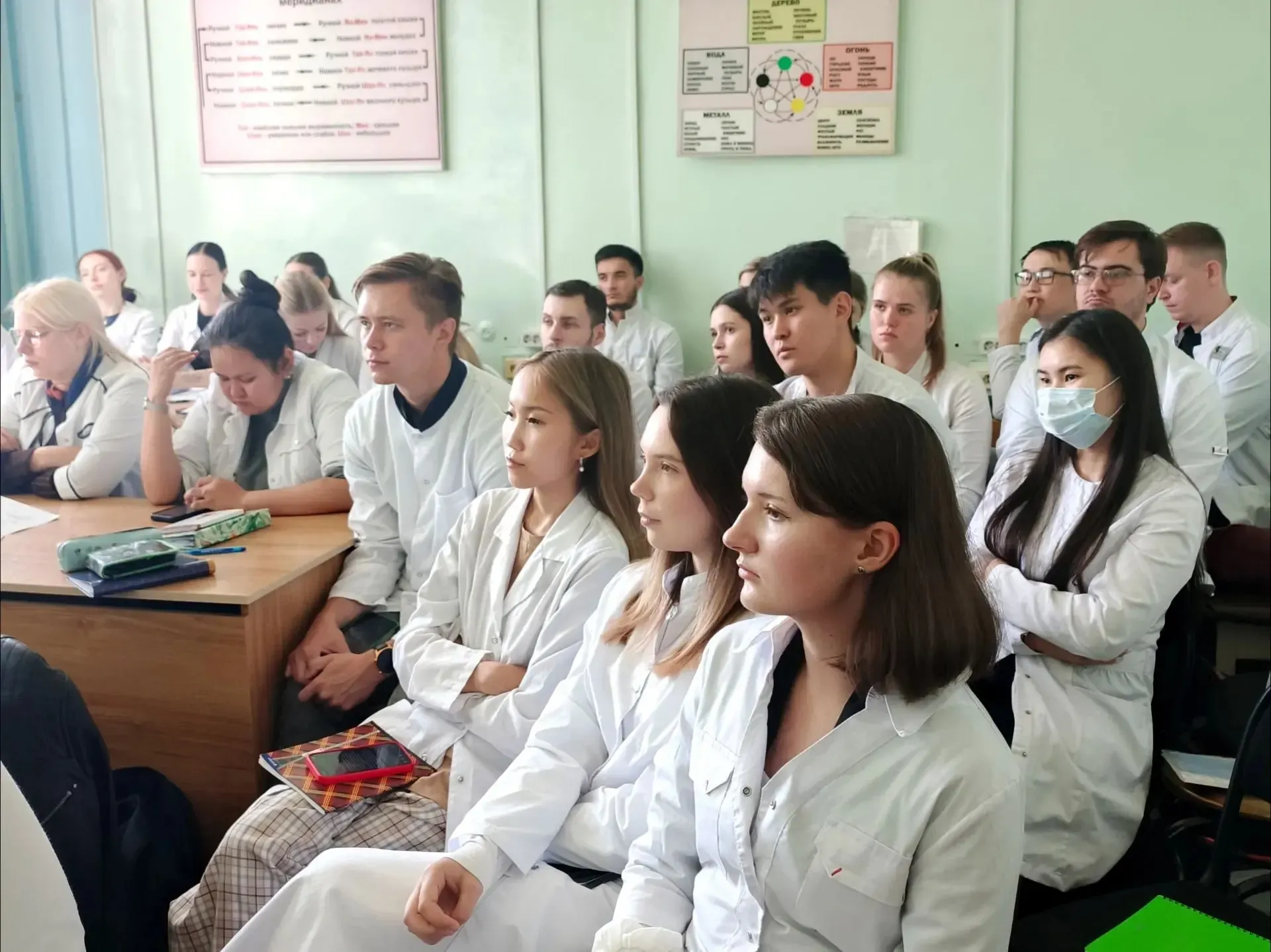
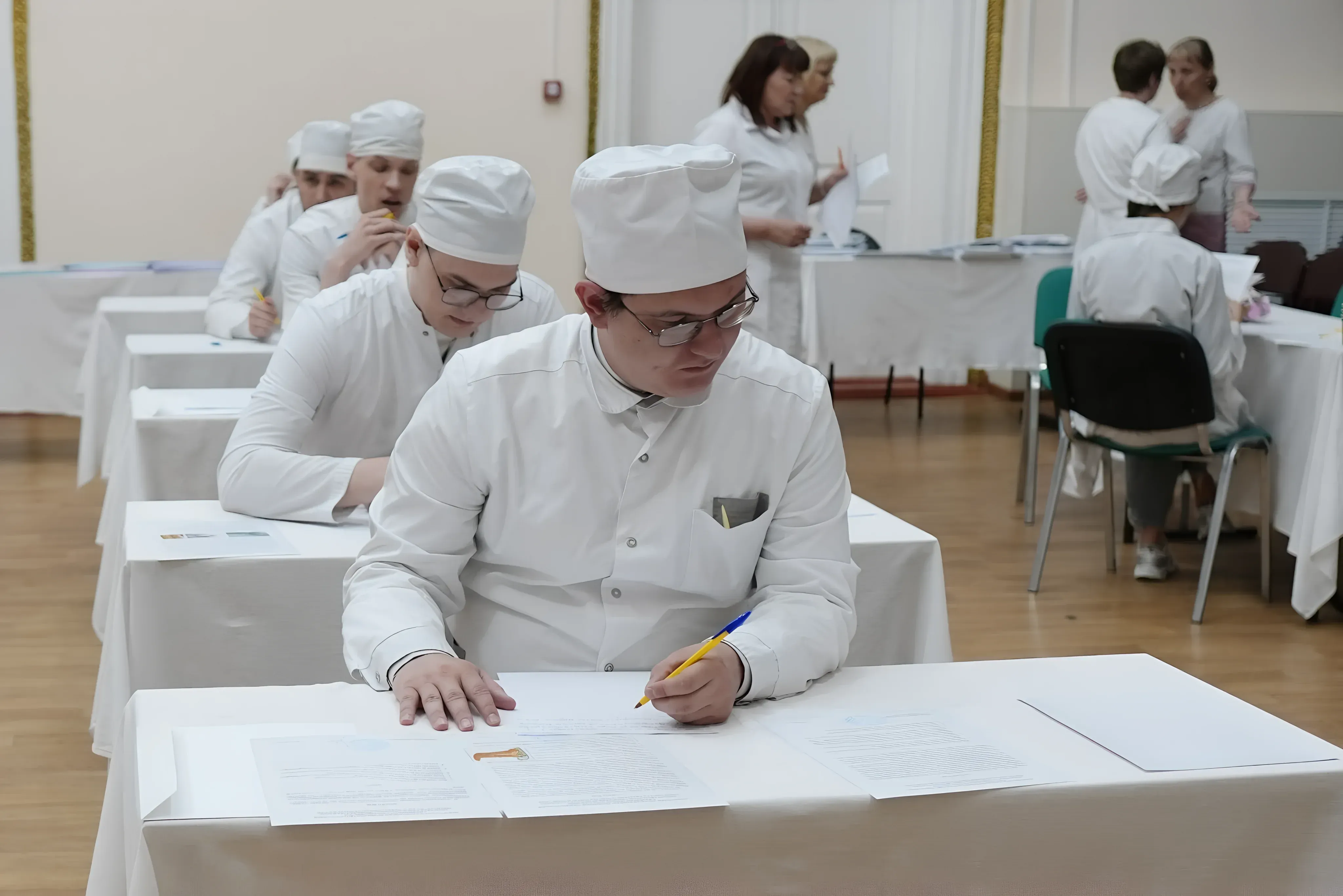
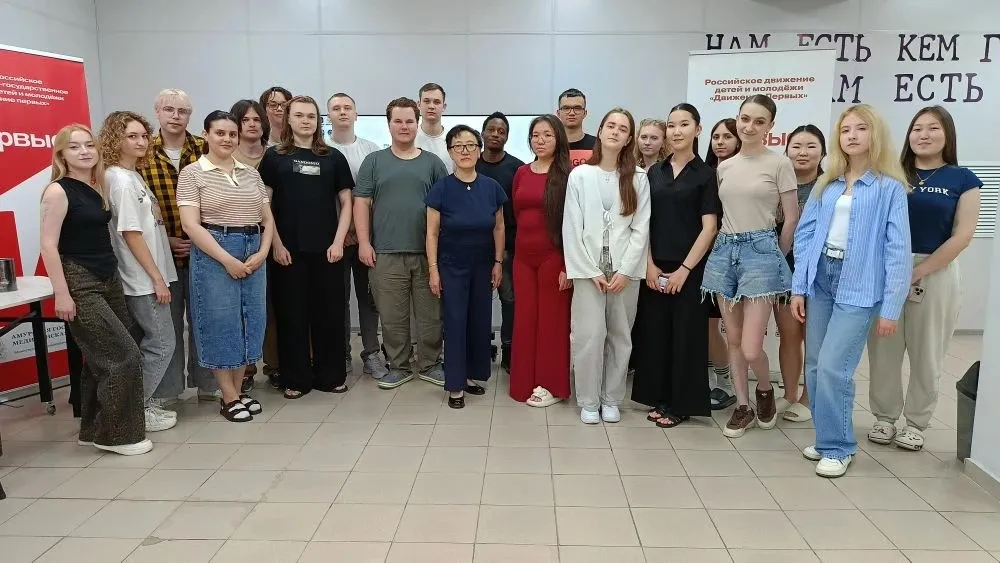
Biologists of the Amur State Medical Academy held a final conference dedicated to the Year of Unity of the Peoples of Russia. The event was attended by 80 first-year students. Students discussed topical problems of the Russian Federation and their small homeland.
This year, the meeting paid special attention to the territories of the unique Far Eastern region - the Amur Region, Kamchatka, the city of Neryungri, Sakha-Yakutia, the reserves of the Amur Region, their unique climatic and geographical features. An important issue was also raised regarding the participation of students in solving the demographic problems of Russia.
The authors presented their research:
The pearls of the Amur Region are a unique world of the Amur reserves (Tsydypova Seseg, 118 g). The uniqueness of the natural status of each of the three reserves on the territory of the Amur Region, existing and protected for 60 years, is described. These protected areas make the landscape and nature of the Amur Region unique and require vigilant conservation with the participation of the authorities and the population.
Kamchatka is a land of volcanoes, geysers and unique nature (Anna Nelyubina, 110 g., Zhuk Semyon, 109 g.). Photo documents of the speakers attracted the attention of the audience with the uniqueness of the region included in the UNESCO world list. The authors presented the geography of volcanic zones, their extreme characteristics, and spoke about the Valley of Geysers with its special microclimate. Kamchatka is becoming a zone of special attention in connection with volcanic activity and climatic cataclysms. Its unique territory needs active comprehensive scientific research.
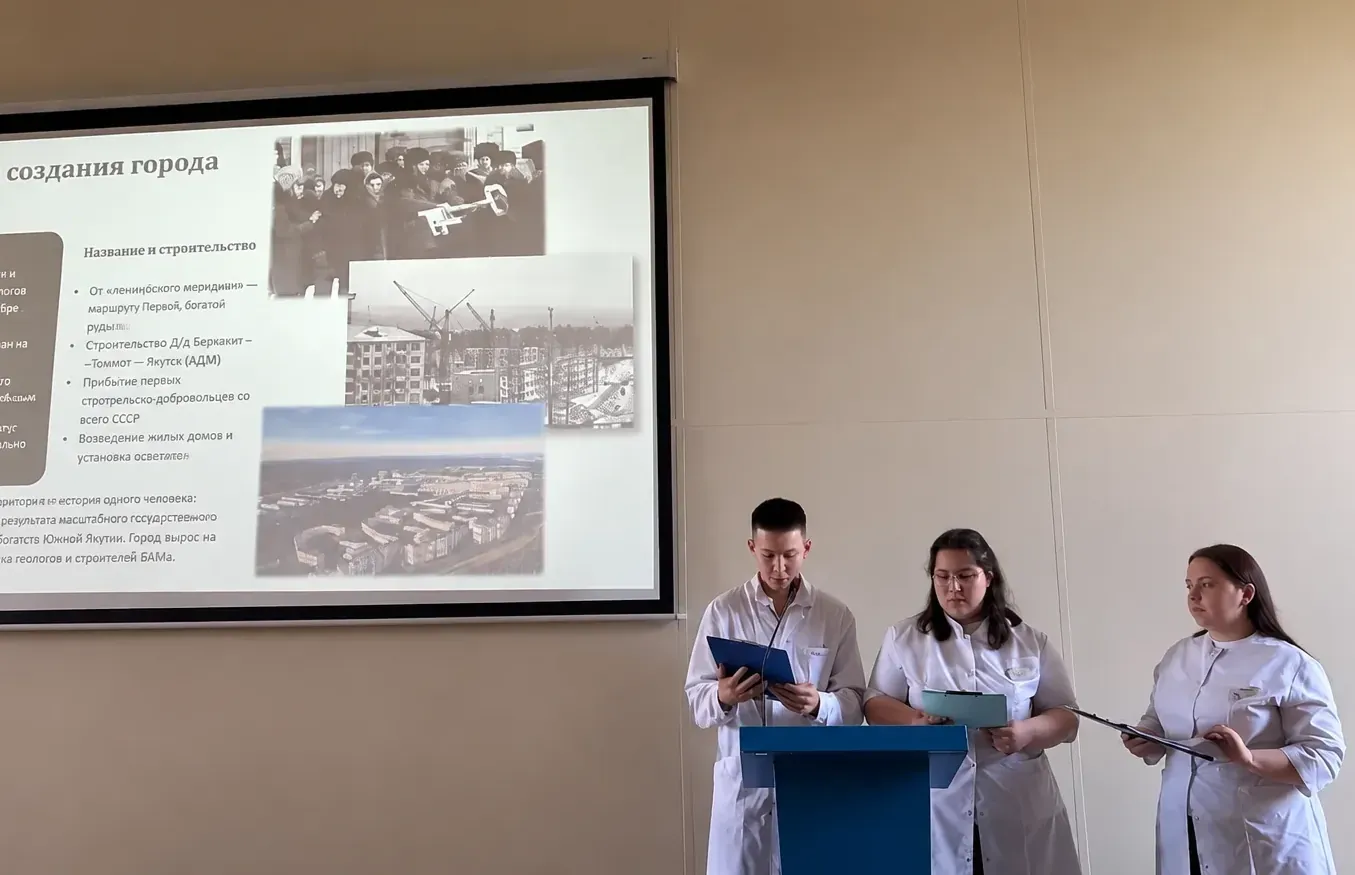
Neryungri – the history of the development of the north of Yakutia, the analysis of the real problems of the native city (Anna Burtovaya, Mikhail Fedorov, Sofia Maltseva, 1st year). The purpose of the authors of the work - first-year students, residents of Neryungri - was to study the history of the settlement and the uniqueness of its indigenous population - the Evenks, with their cultural traditions. Future doctors paid special attention to serious ecological, hygienic and medical and social problems of the urban environment, proposing measures to solve them.
The author outlined the current demographic situation in the Russian Federation and presented a project with the results of a survey of 75 female students, proposed measures to support this category of students with the participation of the state and higher education, and stressed that, despite the difficulties "... the miracle of growing children is an incomparable miracle" (S. Botvinnik).
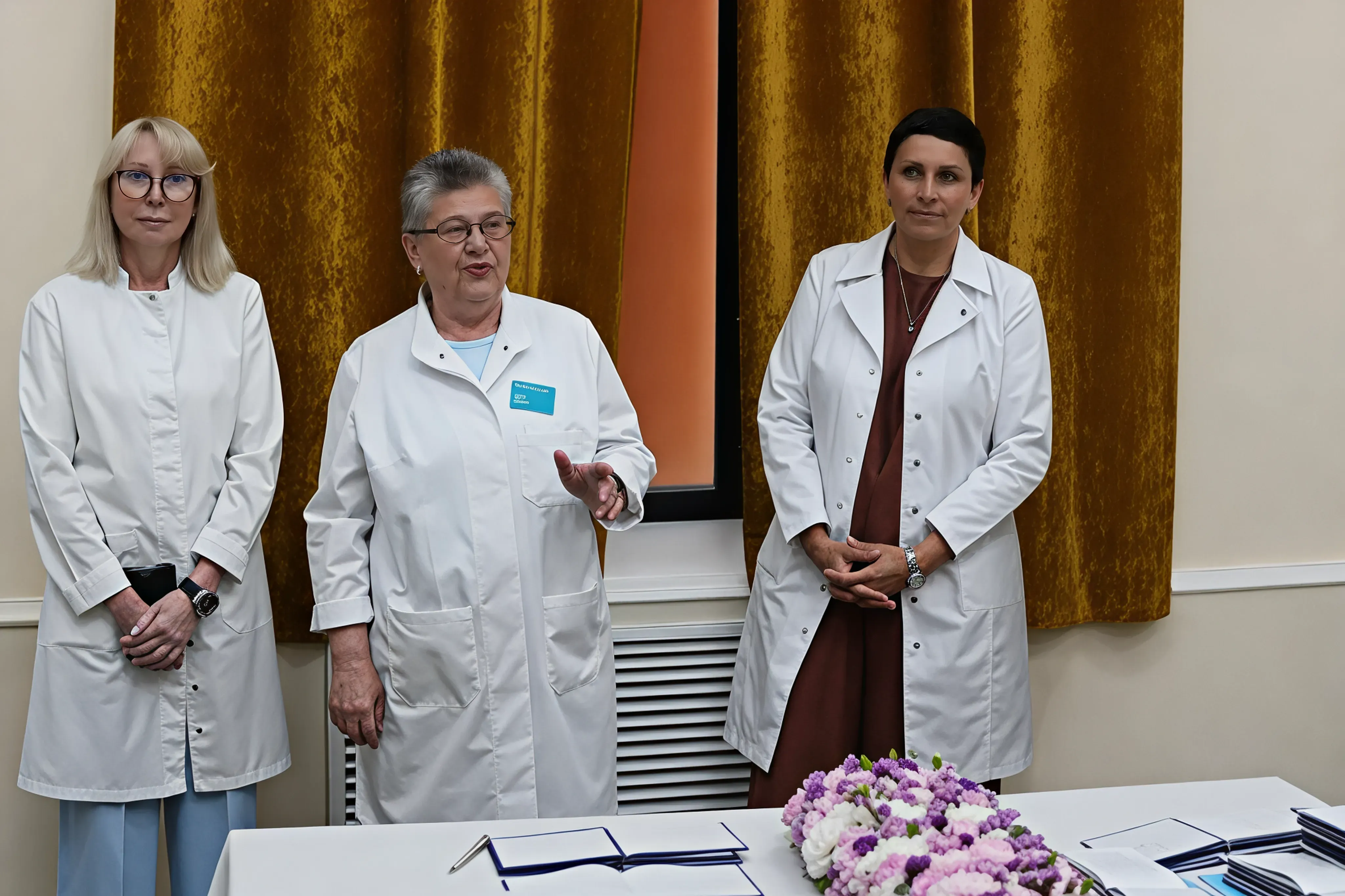
In conclusion, the teachers noted the students who actively showed themselves in scientific and research activities, work in the SSS, assisted the department in the development of a biological laboratory, in the creation of a histological laboratory, carried out experimental work, defended their projects at conferences, practical classes, demonstrating a desire for creativity and deep knowledge of biological and medical problems. A letter of gratitude was sent to the dean's offices of the medical and pediatric faculties of the first year.