Tick-Borne Diseases Study | MBBS in Russia Medical Training
Interdisciplinary Approach to Tick-Borne Diseases at Amur State Medical Academy Strengthens Modern Medical Training
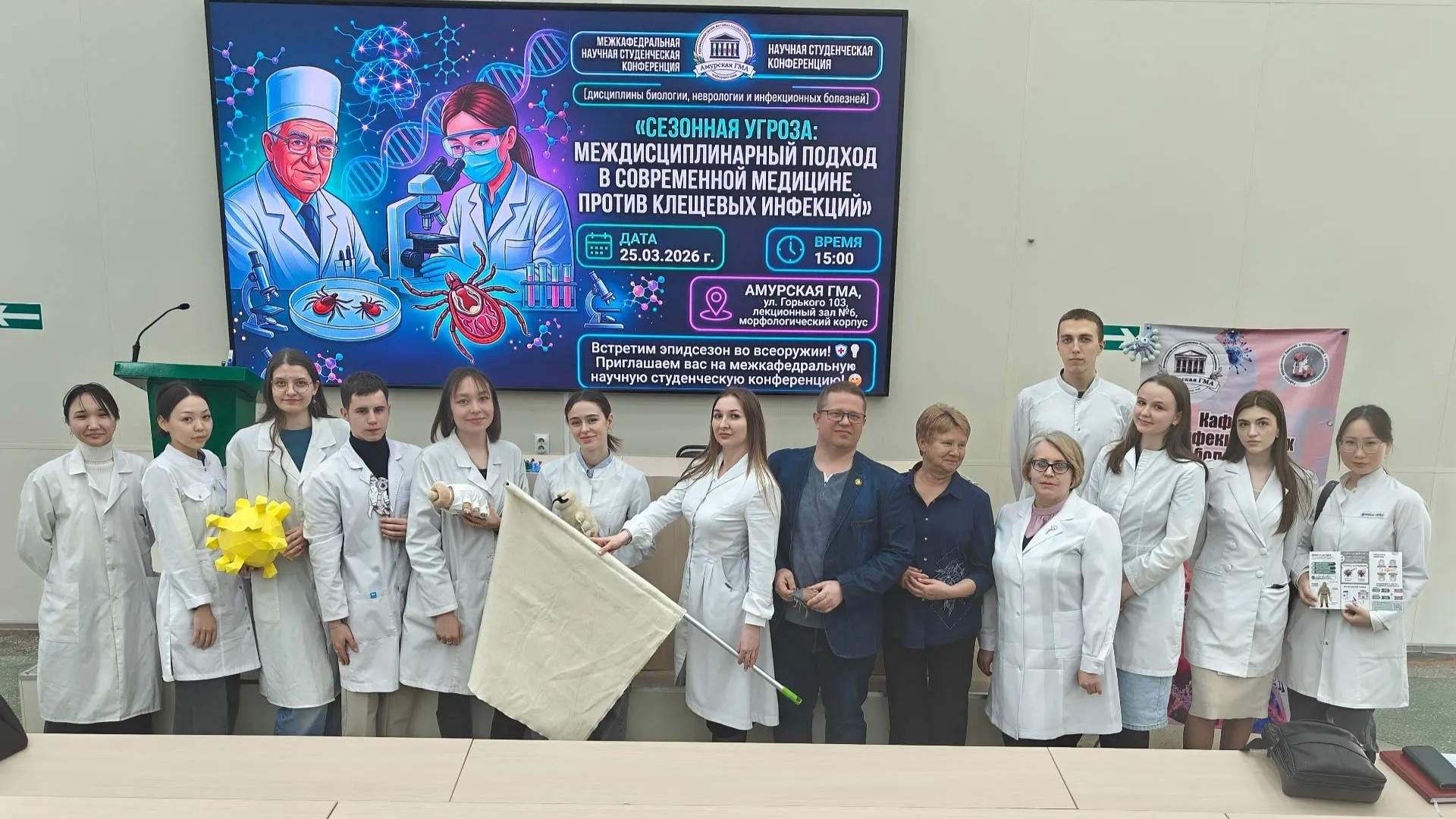
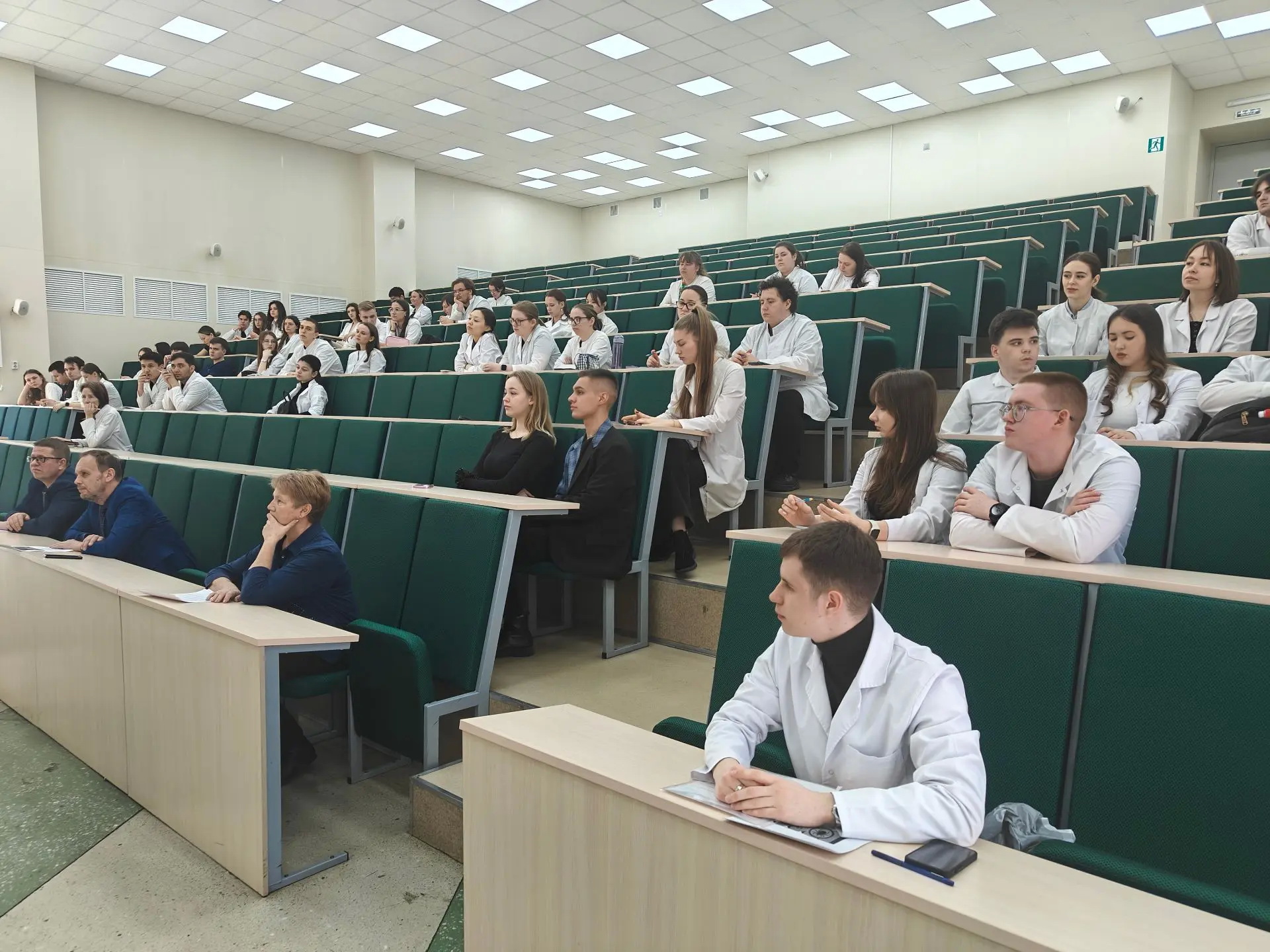
Addressing seasonal public health risks, Amur State Medical Academy organized an interdisciplinary student conference focused on tick-borne infections, a critical topic in modern medical education in Russia.
From early spring to late autumn, the Amur Region faces increased cases of vector-borne diseases transmitted by ixodid ticks. The region is endemic to:
- Tick-borne encephalitis (TBE)
- Lyme disease (borreliosis)
- Rickettsiosis
Among these, tick-borne encephalitis poses the most serious threat due to its potential to cause severe neurological complications, disability, and mortality. Vaccination remains the most effective preventive strategy.
Scientific Conference: Bridging Theory and Clinical Practice
To enhance the competencies of future doctors, the academy conducted an interdepartmental conference involving multiple disciplines:
- Infectious diseases & epidemiology
- Dermatovenereology
- Neurology, psychiatry, and narcology
- Histology and biology
This integrated approach reflects global standards in MBBS education in Russia, where multidisciplinary learning is essential for handling complex diseases.
Expert Insights and Research Contributions
Key highlights included:
- Anastasia Zotova presented regional epidemiological trends and the history of the tick-borne encephalitis virus
- Roman Podolko, invited expert, shared field-level insights on vector surveillance and epidemiological investigations
Student-led research covered:
- Biological mechanisms of tick-borne infections
- Clinical variations of encephalitis
- Case studies on rickettsiosis
- Pediatric epidemiology in the Amur Region
This progression from fundamental biology to clinical application demonstrates the depth of training provided in Russian MBBS programs.
Hands-On Learning and Field Techniques
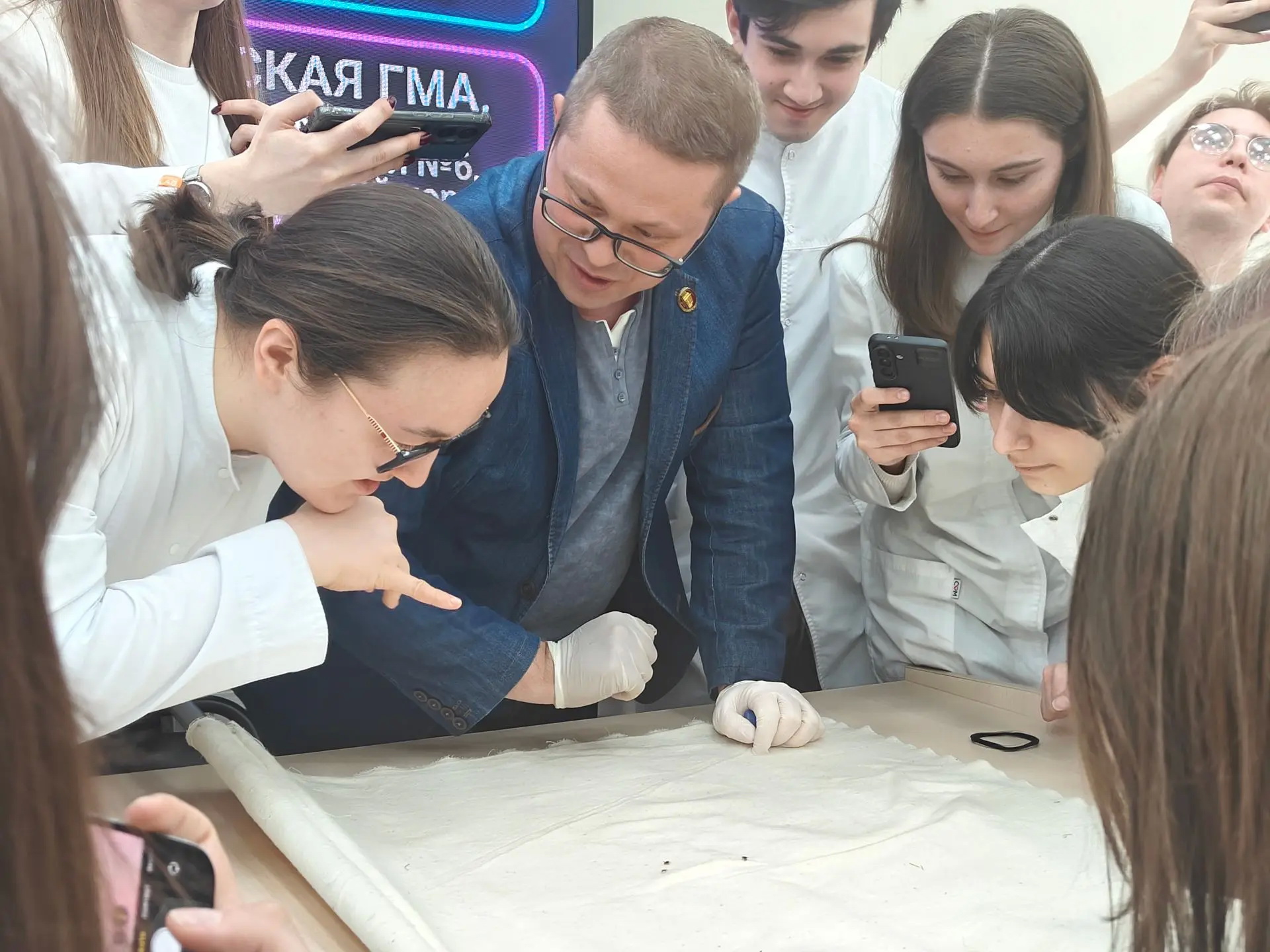
A key component of the conference was its practical training module, where students:
- Examined real samples of Dermacentor silvarum
- Learned tick detection methods using flagging techniques
- Understood environmental risk assessment for vector-borne diseases
Such hands-on exposure is a major advantage for students who choose to study MBBS in Russia, particularly in regions with diverse epidemiological challenges.
Clinical Expertise and Knowledge Transfer
Senior faculty members, including Valentina Karnaukh, shared extensive clinical experience in diagnosing neurological complications of tick-borne encephalitis, enriching students’ understanding of real-world medical scenarios.
With participation from over 70 attendees, the conference fostered:
- Critical thinking
- Scientific debate
- Collaborative learning
Why This Matters for MBBS Aspirants
This event highlights why Amur State Medical Academy is recognized as:
- A top choice for MBBS in Russia for Indian students
- An affordable medical university with strong practical exposure
- A leader in research-driven and interdisciplinary medical education
 | 
|